

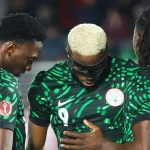
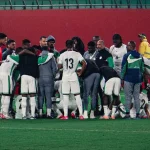
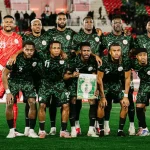
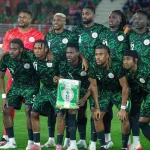

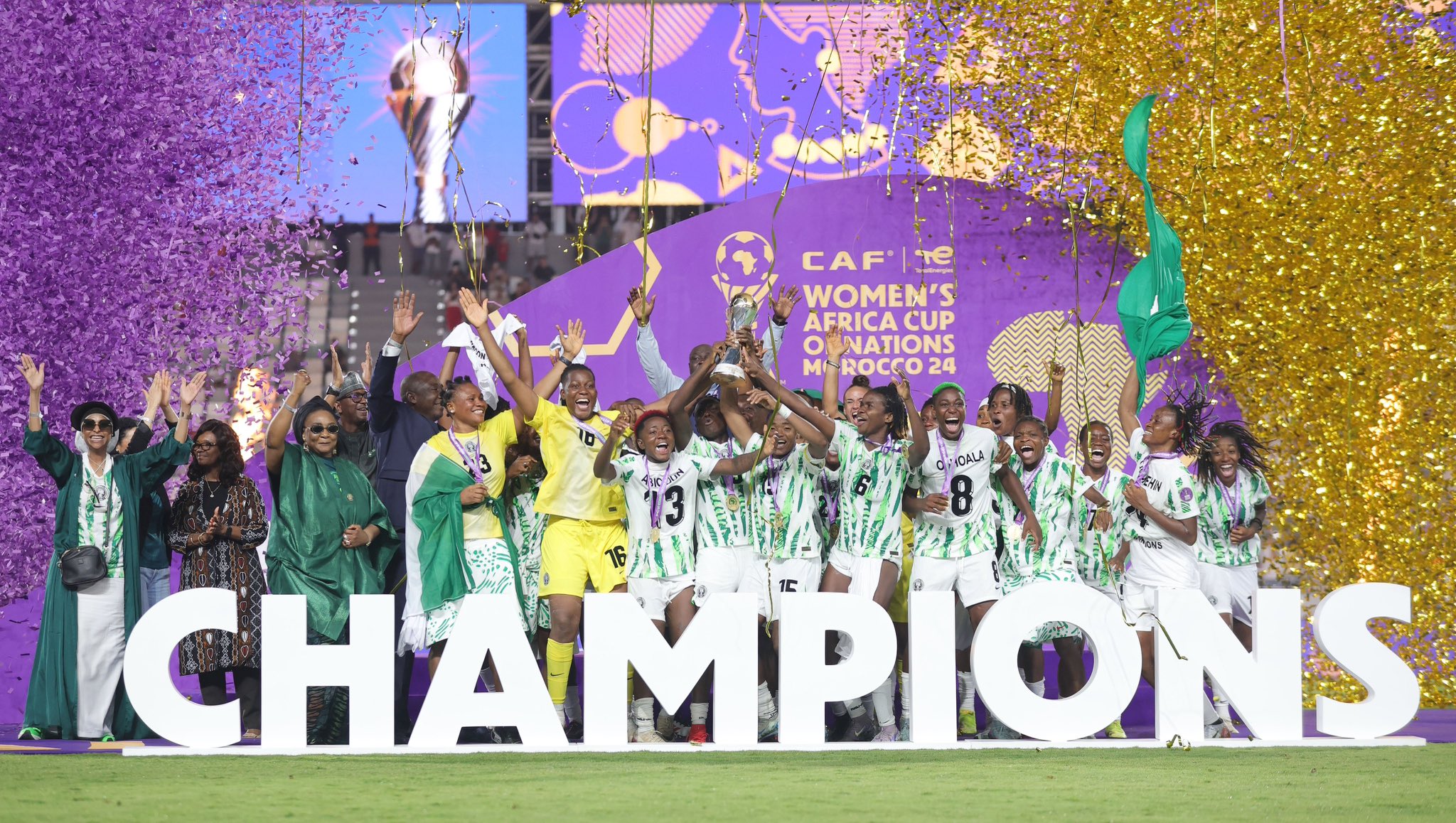
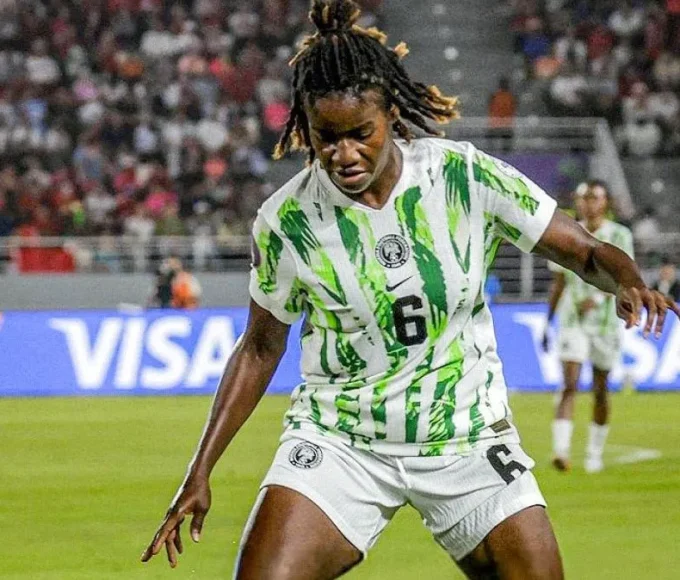
Nigeria’s Super Falcons, the female national football team, are the most successful senior national football team in Africa.
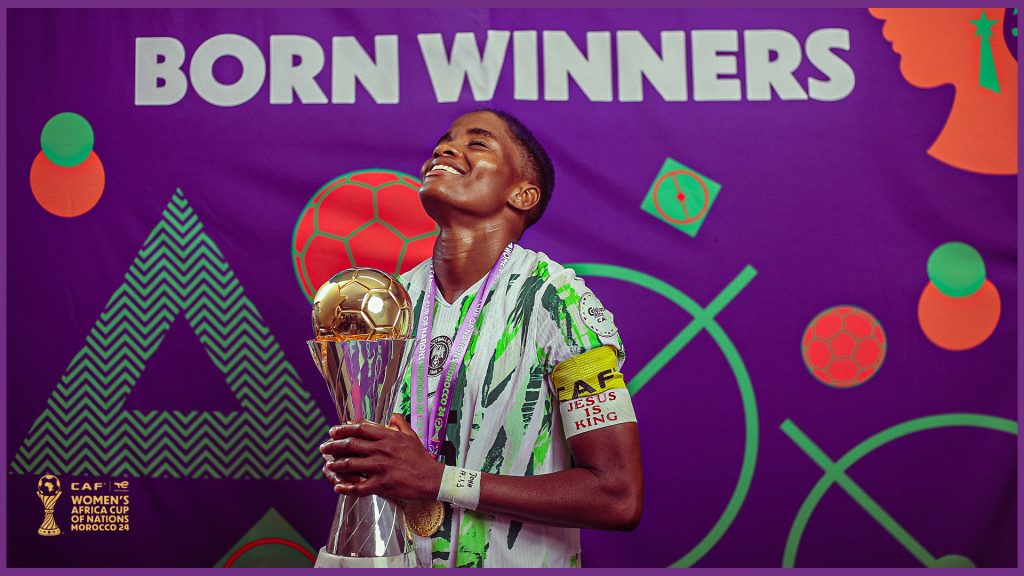
And after clinching their 10th Women’s Africa Cup of Nations (WAFCON) title on Saturday, July 26, 2025, they now hold the most continental titles by any female national football team—previously tied with the USA and China, who have nine each.
In countries where this feat is an achievement, it would be right to assume that there’s a deliberate level of investment and determination that has gotten the Falcons to this level. But as all things go in Nigeria, that is essentially a pipe dream.
Sports, as a whole in Nigeria, is still considered a form of Corporate Social Responsibility at the highest level, rather than a business or an opportunity for economic growth and tourism. At the grassroots level, politicians use it as a bargaining chip during campaigns by organising self-named amateur competitions. For a country whose fourth religion is football, the decline in the seriousness of advancing the sport has been abysmal.
On the road to winning their 10th continental title—12 if you count the early editions of the tournament—against the host nation, the Super Falcons had a challenge that could pass off as Sisyphus’ fate.
In 2022, for instance, the Nigeria Football Federation (NFF) failed to pay match bonuses. This led to a training boycott in the run-up to the 2023 FIFA Women’s World Cup. As the women prepared for the 2024 WAFCON—postponed to 2025—the same issues lingered.
It wasn’t until Nigeria’s president gave the go-ahead for the women to be paid their owed bonuses that attention was finally given to them. While the bonuses were agreed in USD, the players will be paid in naira.
For seven months, the Super Falcons didn’t participate in any friendly matches during the FIFA break for international football. This coincided with the resignation of the former coach, Randy Waldrum, leaving the team without a head coach.
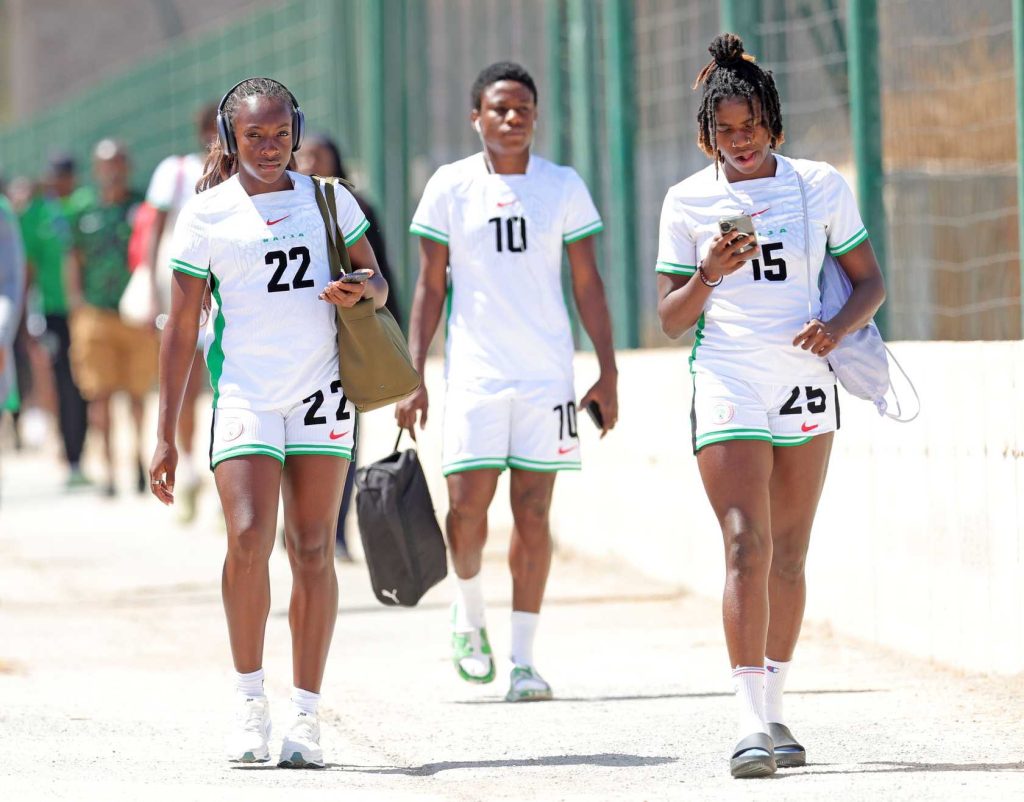
Meanwhile, for the first few days after the Nigerian ladies arrived in Morocco for the tournament, they trained in old gear. According to NFF officials, the new kits were sent to the host country instead of Nigeria, where the women departed from. An alleged issue with Moroccan customs and the logistics company meant the Falcons couldn’t train in new kits.
“Nike have done their best. The agreement with Nike is that they send the kit for tournaments to the venue of the tournament. The kit is in Casablanca. They are stuck with Moroccan customs.
DHL tried to sort it out and see how they could get the kit to the players’ hotel [but without success]… I was in Rabat to see [Moroccan FA] officials, to see how they can help us, to get the kit out,” an official told sports journalist and lawyer Osasu Obayiuwana.
It wasn’t until Day 12 that the Super Falcons got new kits.
Where is the love?
Nigeria was well ahead of its continental counterparts in setting up the women’s game. In 1978, the country set up women’s football under the Nigeria Female Football Organising Association, long before Kenya in 1985. In 1990, it also launched the first officially recognised women’s league in Africa.
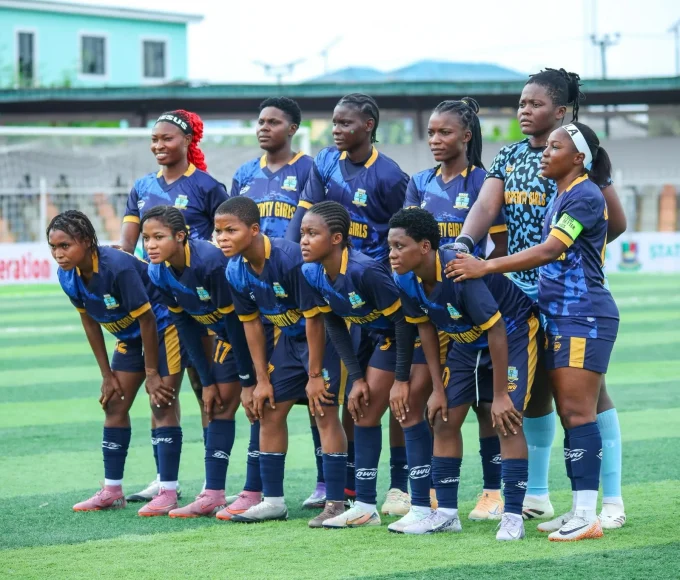
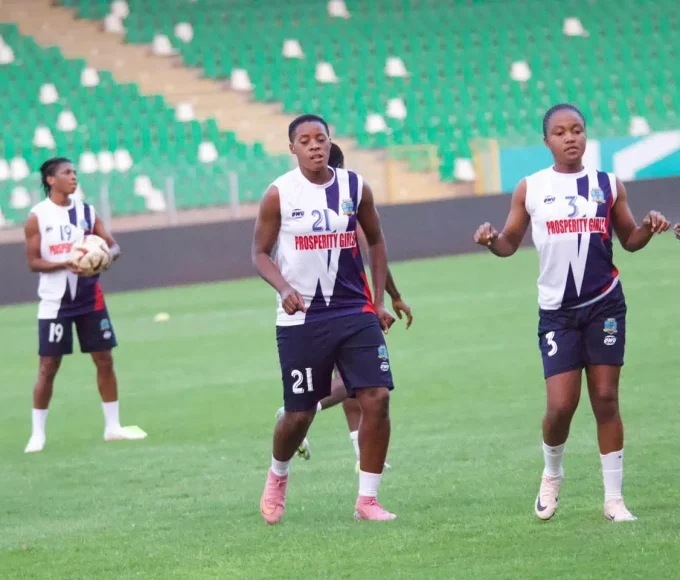
That league has struggled over the years and has undergone various rebrands. When it launched, it was just a championship organised by the federation, but many Nigerians would know it as the Nigeria Women Premier League, a name it popularly held until yet another paint job in 2020. Now organised by the Nigeria Women Football League (NWFL), it is now known as the NWFL Premiership.
The same problems that dogged it in the early days persist. Majorly, a lack of support. The men’s game takes a bulk of the support. However, these are the same women who have given the most honours and prestige to the country.
Fans of foreign clubs would usually support the female teams and even know the players’ names, but according to Joy Ojeabulu, a sports analyst, “The home scene is a different ball game altogether. The league is not as projected as it should be, and like most things in the country’s sports sector, has seen epileptic growth.”
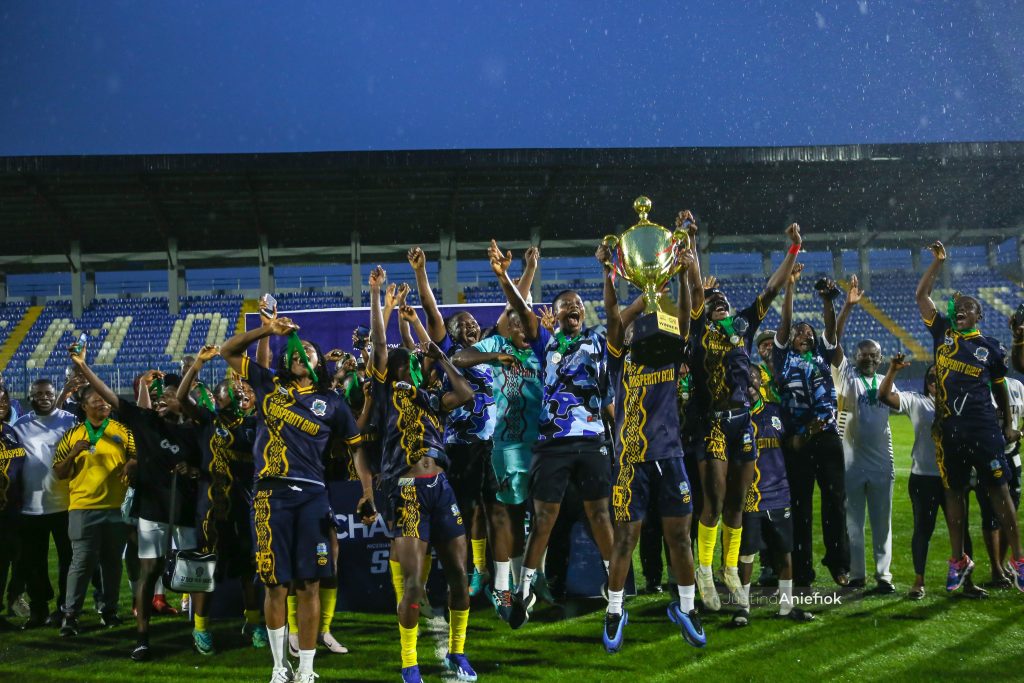
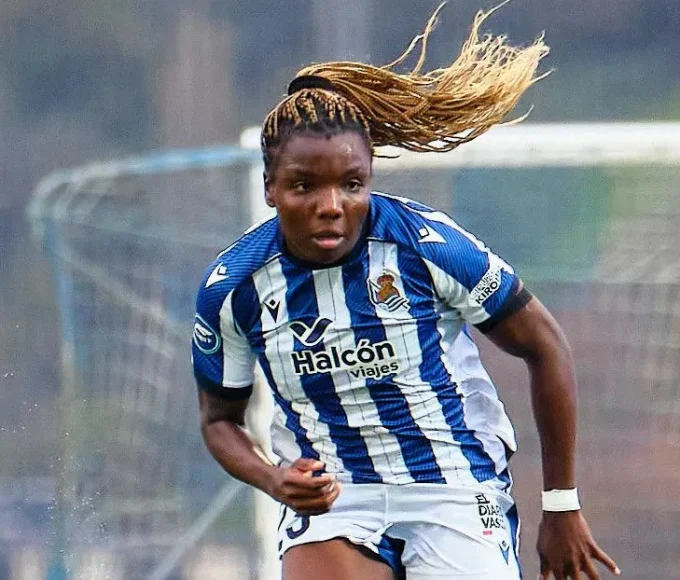
“However, the NWFL, for all its shortcomings, is seen by many—both stakeholders and fans alike—as a talent hub for age-grade national teams (Flamingoes and Falconets) and eventually the senior team—the Super Falcons. This is also a hub for the growing global women’s game to hunt, as many Nigerian women now move to other clubs across the globe, directly from their local clubs and academies,” she adds.
Meanwhile, as women’s leagues around the continent and globally are gearing up for a new season, no one knows when the new NWFL Premiership season will kick off.
The Super Falcons have qualified for all nine editions of the Women’s World Cup since 1990, compared to the Super Eagles—the men’s national team— who have qualified six times since their first appearance in 1994. But the men get more attention than their female counterparts.
Whenever the men are in any major competition, the women are vocal in their support for their colleagues. On the other hand, only a handful of the men show similar support when the women are competing. Super Eagles captain William Troost-Ekong, who sent wishes after the Falcons qualified from the group stage, was among the few.
From corporate Nigeria, only a few companies sent well wishes to the ladies at the start of the WAFCON campaign. However, the ovation only got loud when the Falcons made it to the final and eventually won the tournament. That was when this success got many siblings.
No money, more problems
As the Super Falcons win the 2024 WAFCON, the prize money for the team is $1 million. Of course, the money doesn’t all go to the players and technical crew; it is meant to be shared with the NFF as well.
But the first red flag that shows up, however, is that despite the Confédération Africaine de Football (CAF) paying the lump sum in USD, reports indicate that the women will only be paid in naira. This could lead to shortchanging these ladies.
The president, in a reception for the winning team, has also promised to award each player $100,000 and the technical crew $50,000. The coach will also get $100,000. The players and the coaching staff will also be awarded the national honour of Officer of the Order of the Niger (OON).
Money is good. But this type of showering of gifts only comes after the team has achieved the nearly impossible with minimal support. The money and support didn’t come when the Falcons needed their allowances and bonuses, nor did it come from sponsors in corporate Nigeria. But now, everyone wants to celebrate the success they had no hand in because it is the trending thing to do.
This isn’t the first time. It’s the usual occurrence. Ask media houses and independent journalists who sacrifice their income and comfort to cover these women, what you’ll hear are stories of how these same people, jubilating and identifying with the Super Falcons, said emphatic “No” to their requests for sponsorship.
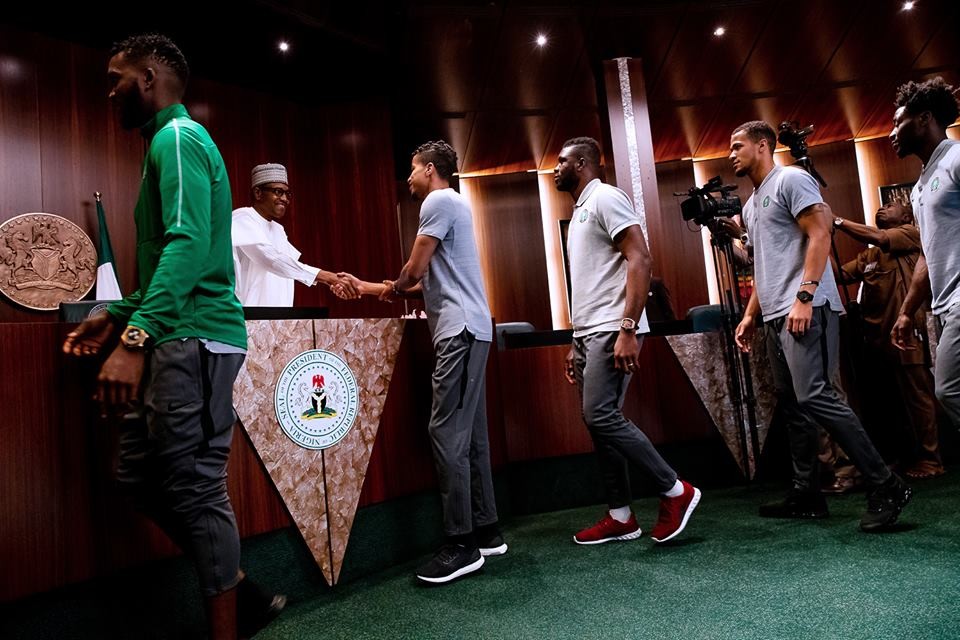
Nigerian presidents have also always used this opportunity to curry political points in the eyes of the public. Instead of championing proper investments in the sports that could guarantee sustained dominance and success, they would rather wait until the last minute to show a level of support. And when success despite the odds comes around, they shower the team with gifts, national honours, and apartments from thin air.
The Atlas Lionesses of Morocco making it to the final of the WAFCON and the men making it to the semifinals of the men’s World Cup in 2022 weren’t flukes. It was borne out of consistent support and investment in infrastructure and talent that support this growth.
Ojeabulu believes that proper visibility, better welfare packages for players and technical staff, improved branding for players and clubs, and a standard calendar to avoid the drama of scheduling will significantly improve women’s football in Nigeria. And this is what countries like Morocco and South Africa have been doing.
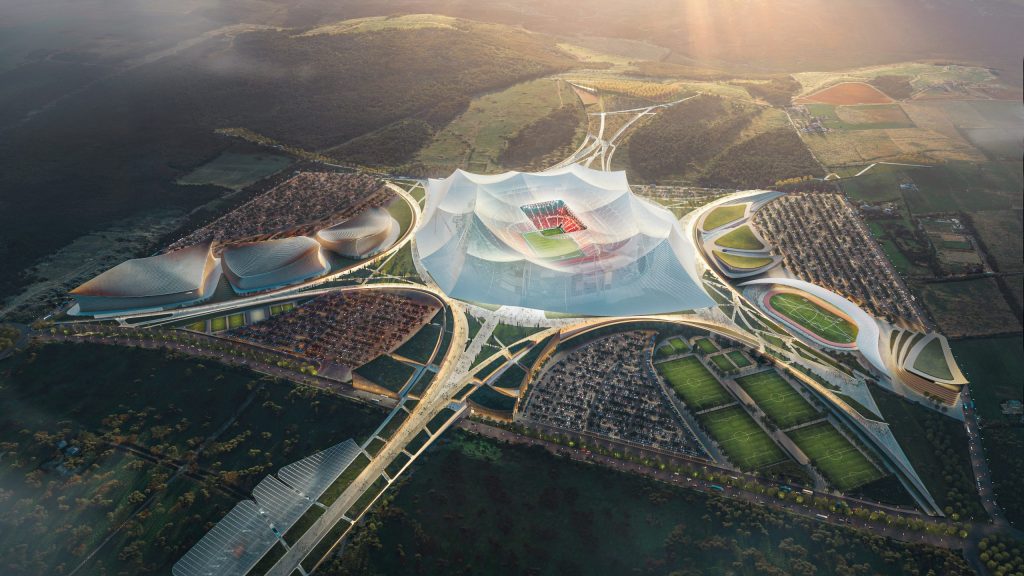
Morocco has built some of the best stadia on the continent and is looking forward to hosting more international tournaments, including the 2025 Africa Cup of Nations and the 2030 FIFA World Cup. Beyond that, the country continues to invest in its talent pool by providing visibility and material support for the players, including the women. The Moroccan Women’s Championship D1 is the second strongest league in Africa, only behind the women’s league in South Africa.
Should they qualify for the 2026 WAFCON, the Super Falcons will have to defend their crown in eight months. While Nigeria may want to continue relying on sheer will, grit, and the “Naija no dey carry last” mentality, other African countries are catching up. It will only be a matter of time before Naija actually becomes last.





Leave a comment