




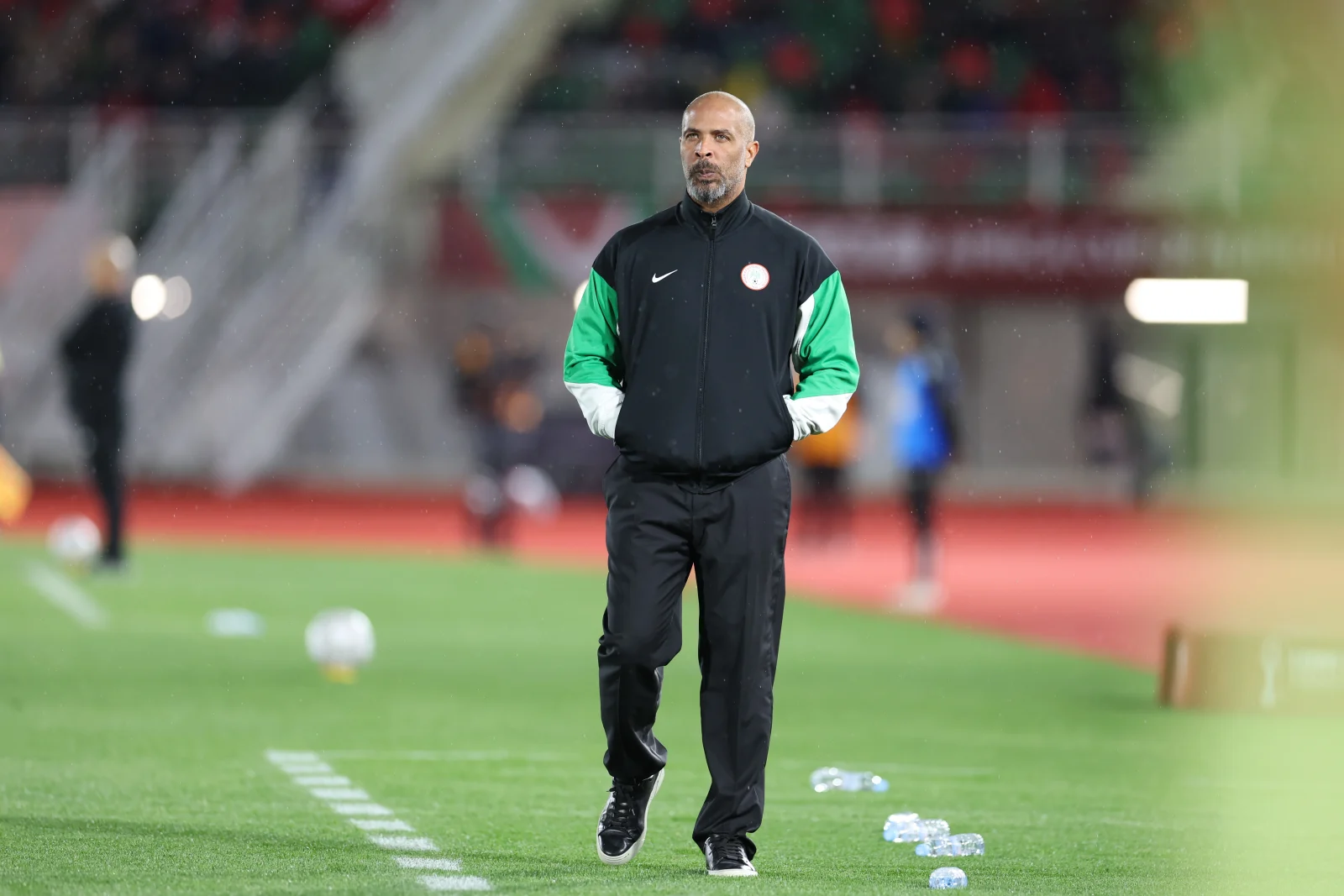
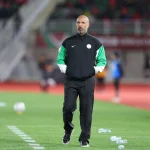
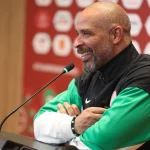
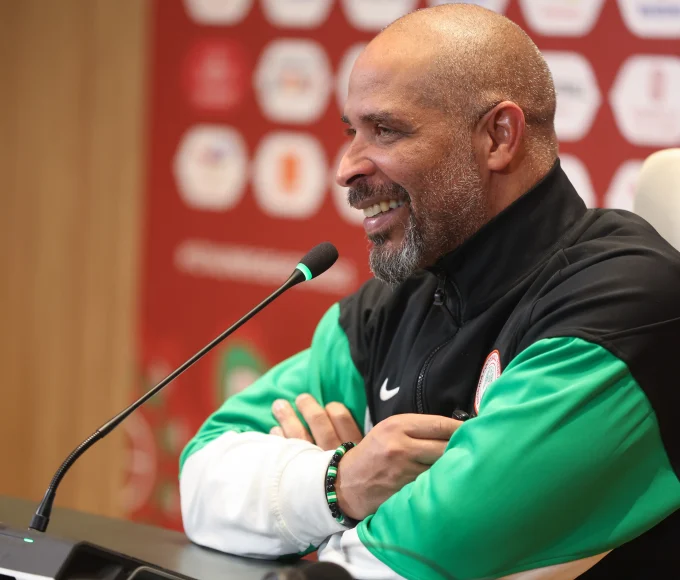
Éric Sékou Chelle, the French-Malian tactician, took charge of Nigeria’s Super Eagles in January 2025, marking a historic appointment as the first non-Nigerian African to lead the team. With a background that includes guiding Mali to the 2023 Africa Cup of Nations (AFCON) in Côte d’Ivoire, Chelle arrived amid high expectations and initial scepticism. His task was clear: revive a side that had struggled in the 2026 World Cup African qualifiers and deliver results on the continental stage.
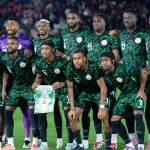
Under Chelle, the Super Eagles have shown remarkable improvement. Appointed after a turbulent period, he quickly instilled structure, discipline, and a clear tactical identity. His preferred setup—a fluid 4-4-2 diamond formation that can shift into a 4-3-3—has maximised Nigeria’s attacking talent, particularly stars like Victor Osimhen and Ademola Lookman. The team has thrived on high-intensity pressing, compact midfield dominance, and quick transitions, leading to an impressive goal-scoring record.
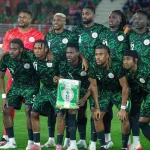
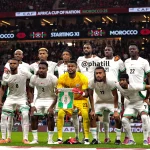
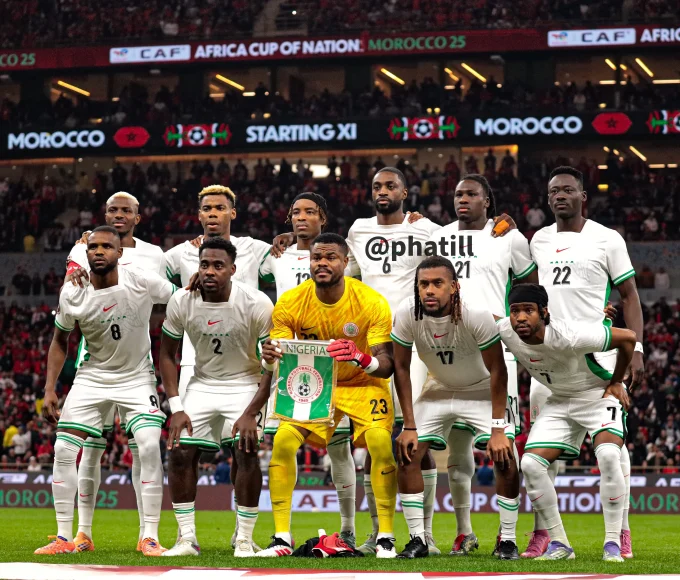
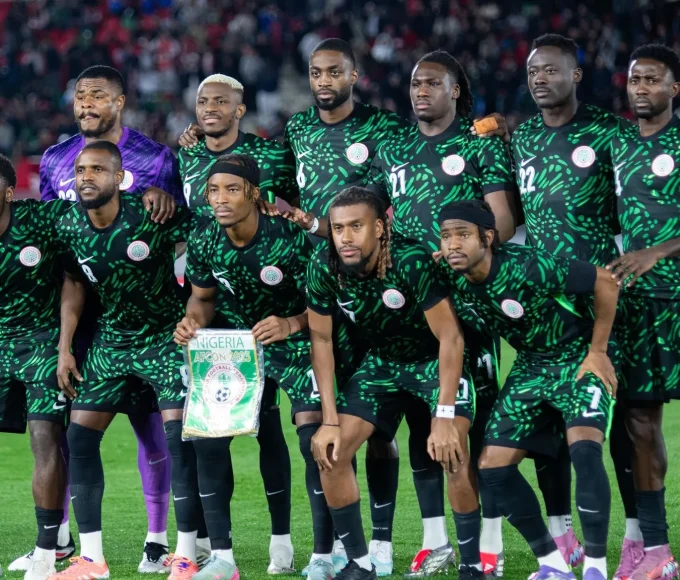
At AFCON 2025 in Morocco, Nigeria dominated early rounds, scoring prolifically (e.g., 12 goals in initial matches) while maintaining defensive solidity. Chelle oversaw dominant victories, including a 2-0 quarter-final win over Algeria, where players such as Ademola Lookman, Victor Osimhen, and Fulham’s Alex Iwobi and Calvin Bassey excelled in defined roles.
Overall, Chelle’s record has been strong: across numerous matches since taking over, the team achieved high win percentages, recording 11 wins, five draws, and one defeat in 17 games at points during his tenure, and no losses in regular time during key stretches of AFCON 2025. He transformed a previously inconsistent side into one with defensive organisation, collective belief, and attacking flair, bringing smiles back to Nigerian fans and earning praise for rebuilding team unity.
However, despite these strengths, Chelle has faced criticism for his in-game management, particularly when matches deviate from the planned script. Critics point to struggles in adapting tactically during games, especially when leading comfortably or facing resilient opponents. For instance, in the AFCON group stage fixture against Tunisia, Nigeria built a commanding 3-0 lead but conceded late goals after substitutions disrupted the structure, allowing the opposition to exploit flanks and set pieces. Chelle defended his choices but acknowledged the need for better late-game handling.
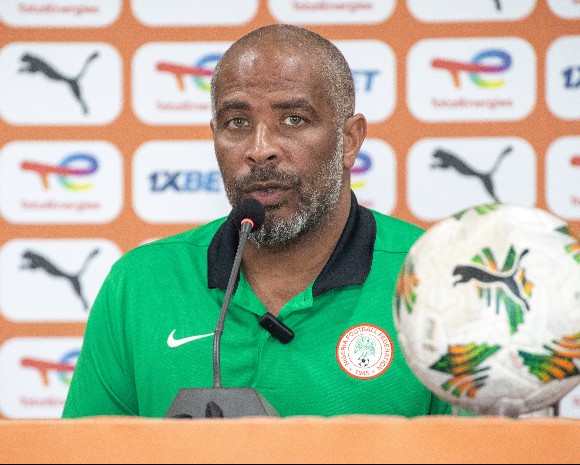
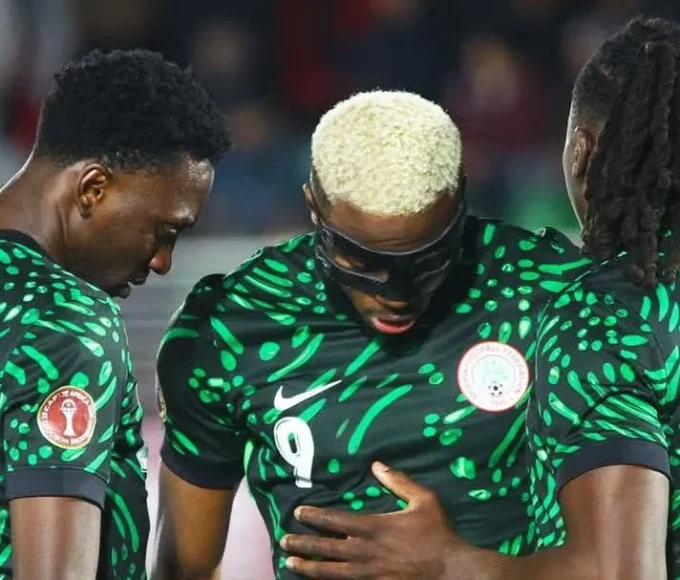
The most glaring example came in the semifinal clash against hosts Morocco. Nigeria delivered a defensively impeccable performance, holding firm through 120 minutes in a 0-0 draw. Yet, in the high-stakes moments—including penalty shootout preparation—questions arose about tactical rigidity and key decisions, such as substituting captain Victor Osimhen late. The team bowed out 4-2 on penalties, marking a second shootout exit under Chelle. Analysts noted that while the side was tactically coherent and disciplined for long periods, it sometimes lacked the dynamic adjustments or “killer instinct” to seize control when momentum shifted.
In post-match reflections, Chelle admitted physical fatigue and a dip in intensity played roles. However, these instances underscore a recurring theme: his team excels in structured, proactive phases but can falter in reactive or crisis management scenarios.
As Nigeria prepares for future challenges—including the third-place playoff against Egypt and beyond—Chelle’s tenure represents clear progress. He has given the Super Eagles a defined identity, defensive resilience, and attacking potency that were missing before his arrival. Yet, addressing in-game adaptability could be key to ending Nigeria’s long wait for a fourth AFCON title or World Cup qualification.
With players like captain Wilfred Ndidi publicly backing continuity, Chelle’s future remains a topic of debate. If he can refine his ability to respond when plans go awry, the Super Eagles could truly dominate African football under his guidance. For now, he has restored hope and structure to one of the continent’s giants.



Leave a comment