







In a dramatic turn of events, Atalanta’s star forward Ademola Lookman has formally submitted a transfer request, citing “broken promises” and “poor treatment” from the club’s management. The 27-year-old Nigerian international, recently crowned the 2024 African Player of the Year, has sent shockwaves through Serie A with his public statement, raising questions not only about his future but also about the broader treatment of African players in the football transfer market.
Lookman’s Rise and Rift with Atalanta
Ademola Lookman’s journey with Atalanta has been nothing short of remarkable. Since joining the Bergamo-based club from RB Leipzig in August 2022 for €15 million, Lookman has transformed into one of Europe’s most dynamic forwards. His hat-trick in the 2024 UEFA Europa League final against Bayer Leverkusen secured Atalanta’s first-ever European trophy, cementing his status as a club hero. With 49 goals and 22 assists in 108 appearances, Lookman’s contributions have been pivotal to Atalanta’s rise, including their current position atop Serie A.
However, tensions have been brewing behind the scenes. Lookman’s transfer request stems from a fallout with Atalanta’s management, exacerbated by a public spat with head coach Gian Piero Gasperini. The flashpoint came after Atalanta’s Champions League exit to Club Brugge in February 2025, when Lookman missed a penalty and was labeled “one of the worst penalty takers” Gasperini had ever seen. Lookman responded on social media, calling the remarks “deeply disrespectful” and highlighting his dedication to the club.
In his Instagram statement, Lookman expressed gratitude to Atalanta’s fans and the city of Bergamo but accused the club of reneging on promises to allow him to leave if a fair offer was made. Inter Milan’s bids of €42 million plus €3 million in add-ons were rejected, with Atalanta holding firm for a €50 million fee. Lookman’s frustration led him to scrub all mentions of Atalanta from his social media, a bold move signaling his intent to force a transfer, potentially to Inter or a Premier League club like Arsenal, Liverpool, or Tottenham, who have all shown interest.
The Broader Issue: Harsh Treatment of African Players?
Lookman’s situation has reignited discussions about whether African players face disproportionate scrutiny and obstacles when seeking transfers. Several factors suggest that African footballers often encounter harsher treatment in the transfer market, rooted in systemic biases, market dynamics, and cultural misunderstandings.

- Undervaluation and Stereotyping African players are frequently undervalued compared to their European or South American counterparts, despite comparable performances. Lookman’s €50 million valuation, while significant, pales in comparison to fees commanded by players of similar stature in other regions. For instance, Atalanta sold Rasmus Højlund to Manchester United for €73 million and Teun Koopmeiners to Juventus for close to €60 million, yet they’ve resisted offers for Lookman despite his superior goal-scoring record and accolades. This discrepancy raises questions about whether African players are held to different standards, with clubs leveraging their “replaceability” to demand higher fees or delay transfers.
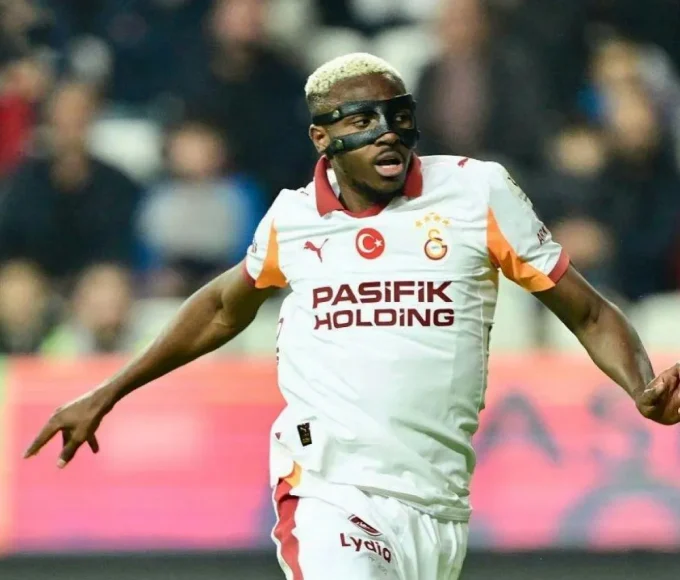
- Public Criticism and Scapegoating Lookman’s clash with Gasperini highlights a recurring theme: African players are often singled out for criticism in high-pressure situations. Gasperini’s decision to publicly shame Lookman for a missed penalty—despite his proven reliability from the spot (four out of four prior to the Brugge match)—felt disproportionate, especially given Lookman’s return from injury and his overall contributions. Similar instances, such as Victor Osimhen’s public disputes with Napoli over transfer negotiations and media scrutiny, suggest that African players are more likely to be scapegoated, with their professionalism questioned in ways that amplify negative stereotypes.
- Contractual and Cultural Barriers Lookman’s claim of “broken promises” points to a broader issue of African players struggling to secure the same autonomy as their peers. Clubs may exploit contractual ambiguities or demand inflated fees to retain African stars, knowing they often lack the institutional backing or media advocacy that European players enjoy. Additionally, cultural misunderstandings—such as misinterpretations of African players’ assertiveness or public expressions of frustration—can lead to accusations of disloyalty, as seen in Lookman’s social media purge being framed as a “digital cry for freedom.”
- Historical Context and Market Dynamics Historically, African players have faced systemic barriers in European football, from limited scouting opportunities to biases in youth academies. While stars like Lookman, Osimhen, and Samuel Chukwueze have broken through, their transfer sagas often involve prolonged negotiations and public disputes, unlike the smoother transitions of many European stars. The reluctance of clubs like Atalanta to honor transfer agreements may reflect a belief that African players are less likely to command widespread support or legal recourse, allowing clubs to maintain leverage.

The Bigger Picture
Lookman’s transfer request is not an isolated incident but part of a pattern where African players face heightened scrutiny and resistance when seeking career progression. His case mirrors that of other Nigerian stars, such as Osimhen, who faced similar obstacles when pushing for a move from Napoli to Galatasaray. The emotional toll of these disputes is evident in Lookman’s heartfelt apology to Atalanta fans, where he acknowledged their support but emphasized the “incredibly difficult situation” caused by the club’s actions.
Are African Players Treated Harshly in Transfers?
Lookman’s situation highlights a recurring issue: African players often face unique challenges in the transfer market, raising questions about systemic biases. While the references don’t explicitly state that African players are “always” treated harshly, they provide evidence of specific cases and patterns that suggest disproportionate obstacles.
- Undervaluation and High Transfer Demands Despite Lookman’s stellar performances, Atalanta’s €50 million valuation seems high compared to past transfers of non-African players like Rasmus Højlund (€73 million to Manchester United) and Teun Koopmeiners (€60 million to Juventus), who had less impressive records at the time. This suggests clubs may inflate fees for African players, possibly due to a perception that they are less marketable or replaceable. Victor Osimhen’s protracted transfer saga with Napoli, where the club demanded exorbitant fees despite his desire to leave, mirrors this pattern.
- Public Criticism and Scapegoating Gasperini’s harsh comments about Lookman’s penalty-taking, despite his proven reliability, exemplify a tendency to single out African players for criticism. Lookman’s response highlighted the emotional toll, calling the remarks disrespectful. Similarly, Osimhen faced public criticism from Napoli’s management during transfer negotiations, suggesting a pattern where African players are scapegoated to deflect blame. This contrasts with less public disputes for many European players, indicating a possible bias in how African players’ professionalism is perceived.
- Broken Promises and Contractual Barriers Lookman’s claim of “broken promises” reflects a common grievance among African players, who often face resistance when seeking to leave clubs. Atalanta reportedly agreed to consider fair offers but rejected Inter’s bid, which Lookman believed aligned with prior discussions. This echoes Osimhen’s struggles with Napoli, where promised transfer opportunities were delayed or blocked. Such barriers may stem from clubs leveraging contractual control, knowing African players may have less institutional support to challenge decisions.
- Cultural Misunderstandings and Stereotypes Lookman’s social media purge was described as a “digital cry for freedom,” but such actions are often misinterpreted as unprofessional when performed by African players. Cultural differences, such as direct expressions of frustration, can lead to accusations of disloyalty, unlike similar actions by European players, which are often framed as ambition. This double standard can exacerbate tensions during transfer negotiations.
Critical Perspective: Questioning the Narrative
While the evidence suggests African players like Lookman face challenges, the claim that they are “always” treated harshly requires nuance. High transfer fees and public disputes are not exclusive to African players; European stars like Harry Kane and Kylian Mbappé have also faced intense negotiations. However, the frequency and nature of these issues for African players, as seen with Lookman and Osimhen, suggest systemic factors. Limited scouting opportunities, fewer high-profile advocates, and stereotypes about work ethic or marketability may contribute to a perception that African players are more expendable, allowing clubs to impose stricter terms.
The football industry’s global nature means market dynamics, not overt racism, often drive these issues. Clubs like Atalanta aim to maximize profits, and African players, often signed for lower fees (e.g., Lookman’s €15 million), represent significant financial upside. However, the public nature of criticism and the emotional toll on players like Lookman—evident in his apology to fans for the “difficult situation”—suggest a lack of empathy that may disproportionately affect African players.
What’s Next for Lookman?
Lookman’s transfer request has put Atalanta in a difficult position. With his contract running until 2027, the club holds leverage, but his public stance and absence from recent activities, including a friendly against RB Leipzig, signal his determination to leave. Inter Milan remains the frontrunner, but Atalanta’s CEO, Luca Percassi, has indicated a willingness to resolve the situation, possibly by summer’s end. Premier League clubs, including Arsenal, Liverpool, Tottenham, and Manchester United, are monitoring the situation, with Liverpool’s £37 million bid already deemed insufficient.
Lookman’s apology to Atalanta fans underscores his desire for an amicable resolution, but his statement also reflects the emotional weight of the saga. “The fans are the heartbeat of this club,” he wrote, expressing hope for a solution that benefits all parties.
Conclusion
Ademola Lookman’s transfer request is a pivotal moment for Atalanta and a lens through which to examine the treatment of African players in football. His exceptional talent and contributions deserve respect, yet his public fallout with Gasperini and the club’s management highlights the challenges African players face in asserting control over their careers. While not all African players are treated harshly, the patterns of undervaluation, public criticism, and broken promises suggest systemic issues that warrant scrutiny. As Lookman’s future hangs in the balance, the football world must confront whether these high-profile cases reflect broader inequities in the beautiful game.
Written by: Lanre Banjoko








Wonderful work, hoping for the best for the current CAF footballer of the year.