



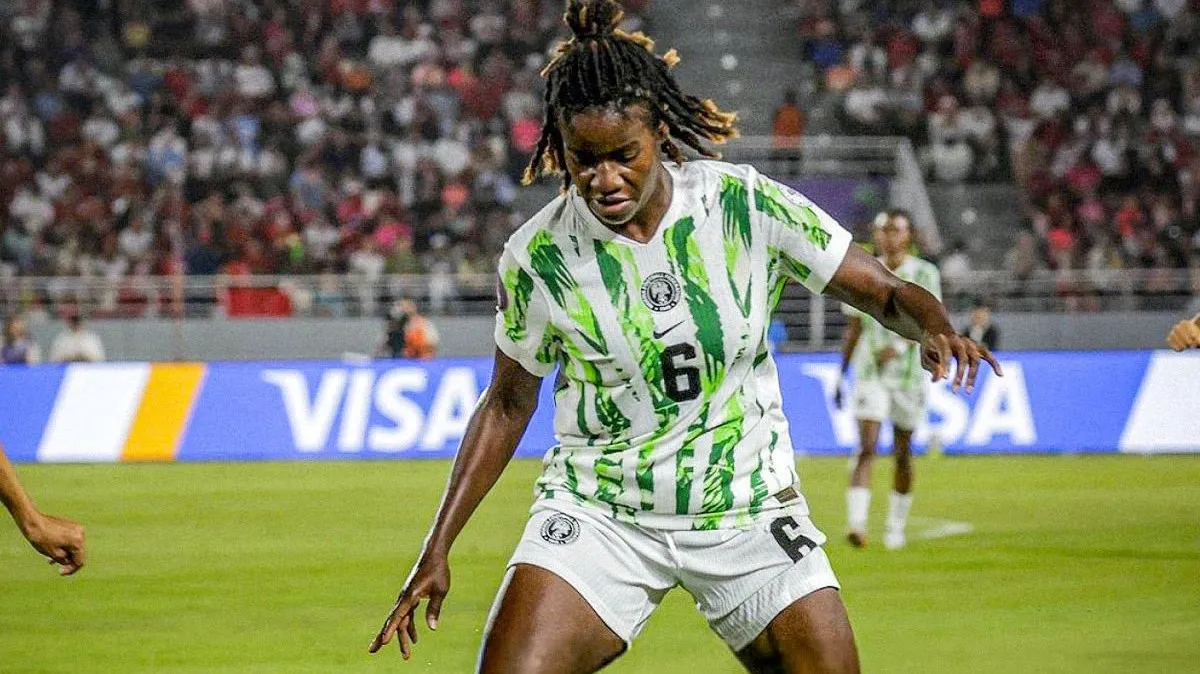
When the Confederation of African Football (CAF) unveiled its 2025 Women’s Player of the Year shortlist, one name was conspicuously missing: Esther Okoronkwo.
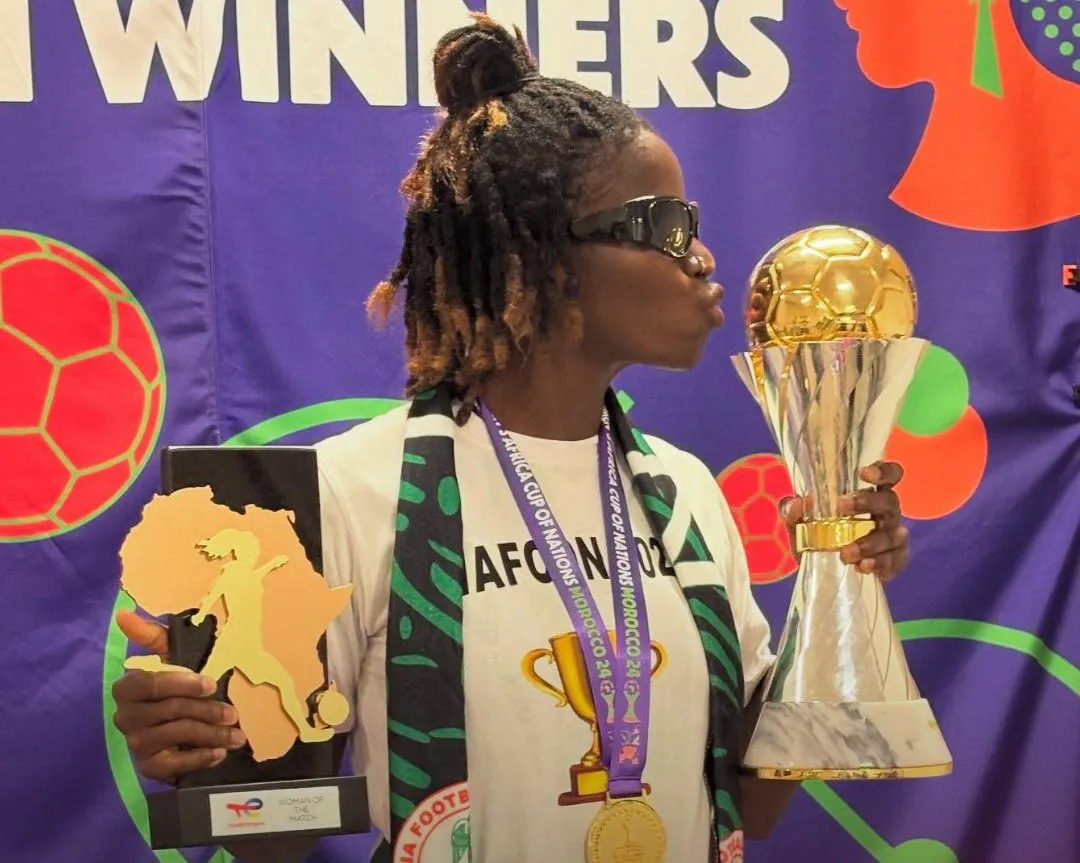
Okoronkwo made the original 10-woman shortlist in October, but her name was missing when CAF unveiled the final three on Sunday.
For many, this was not just an oversight—it was a baffling snub. Okoronkwo, whose performances in the recent Women’s Africa Cup of Nations (WAFCON) were crucial to Nigeria securing its 10th continental title, had emerged as one of the tournament’s most influential figures.
A lot of fans actually did expect her inclusion, making her absence a flashpoint for debate and reflection on how African football evaluates individual achievement.
Esther Okoronkwo and the WAFCON masterclass
Throughout WAFCON, Okoronkwo was more than a goalscorer; she was a playmaker, a creative force, and a clutch performer.
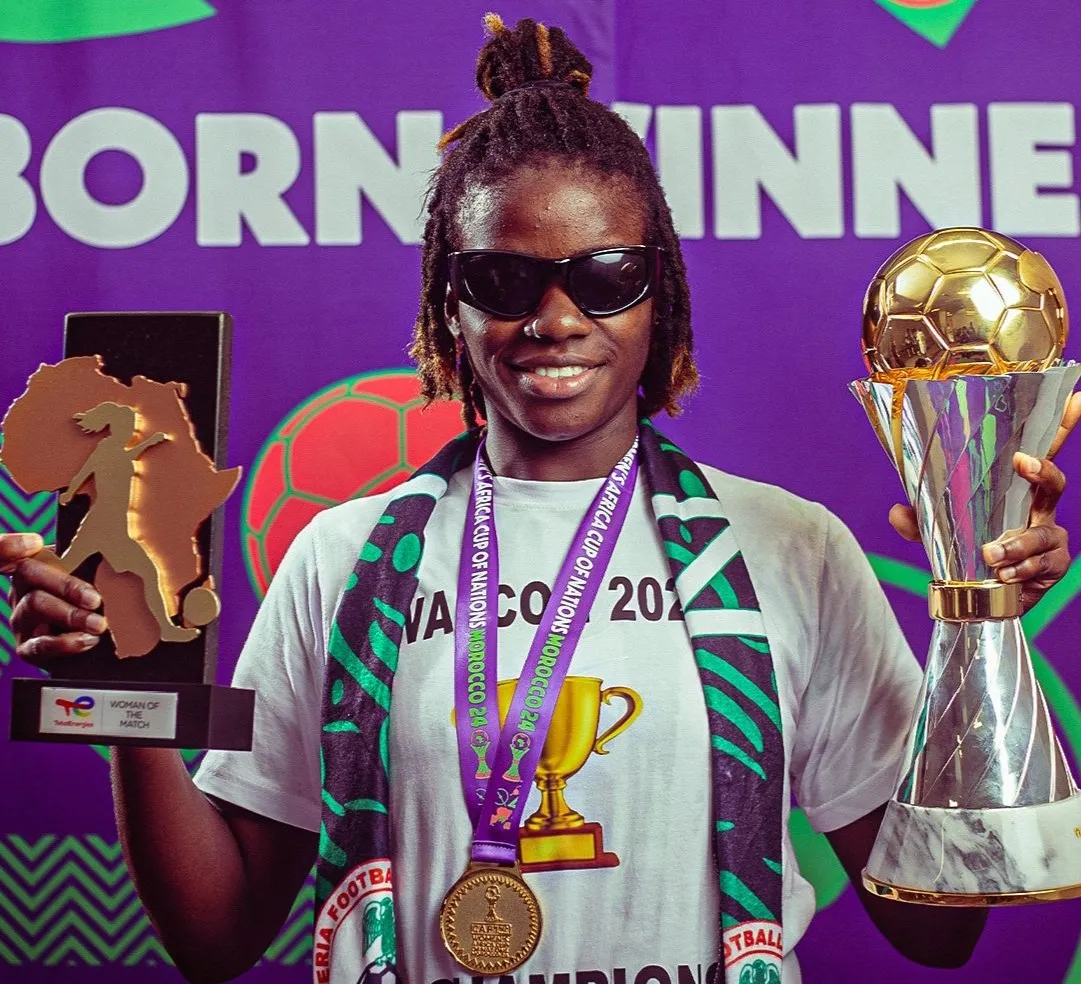
Her two goals and four assists were critical in shaping Nigeria’s campaign, and her influence went beyond the statistics.
In the final, she scored and assisted in Nigeria’s decisive victory, earning Woman of the Match honours. Her vision, movement, and composure under pressure left many Nigerians celebrating her importance to the team.
The numbers alone justified recognition. But Okoronkwo offered something even more valuable: moments of inspiration that defined Nigeria’s success.
Fans watching at home saw a player who carried the attacking burden, linked midfield to forward play with precision, and delivered when it mattered most. It was a season that screamed for continental acknowledgement.
The CAF snub and its ripples
So why was Okoronkwo left out? CAF did include Nigeria’s Rasheedat Ajibade among the finalists, a deserving selection after her own stellar campaign.
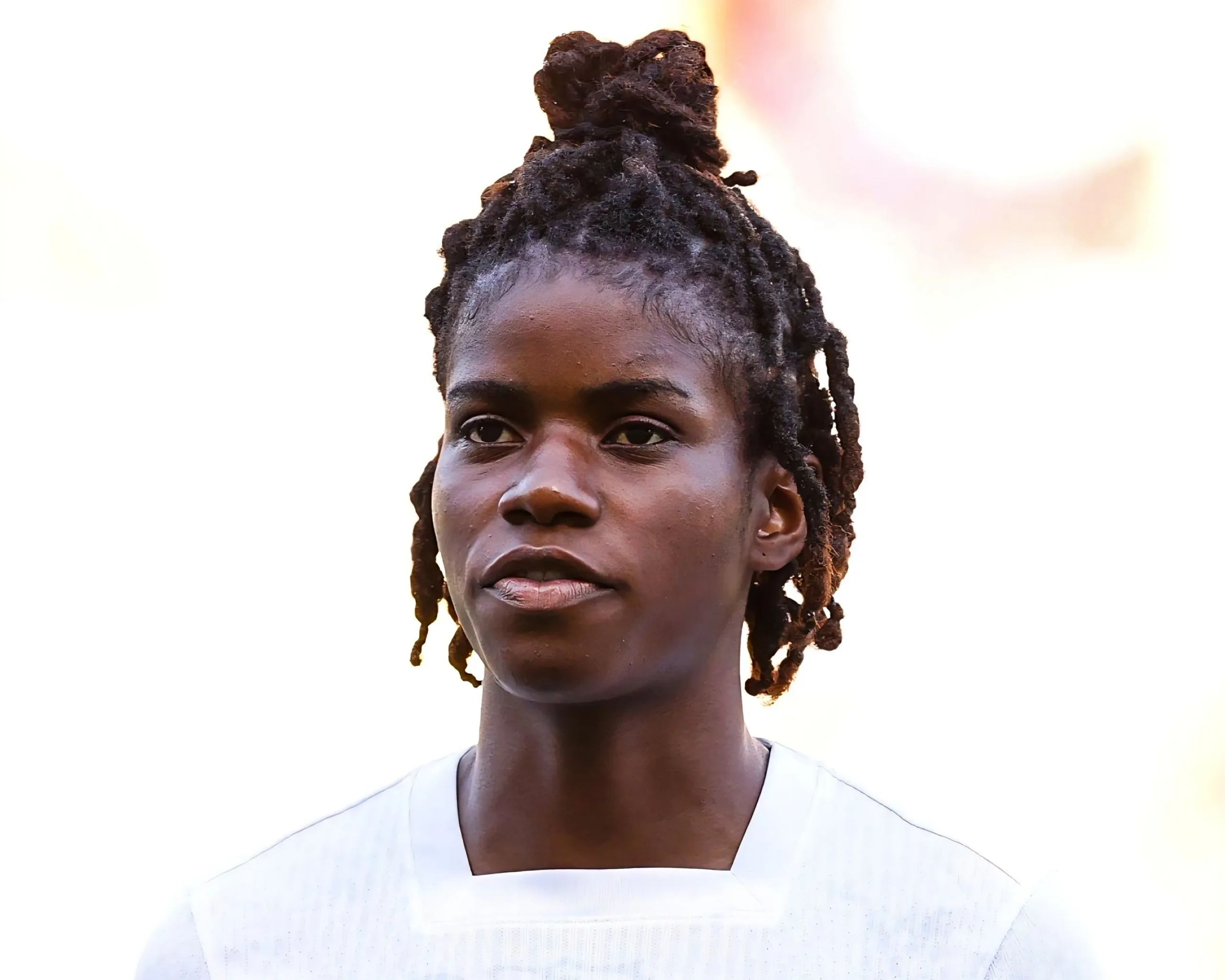
But Okoronkwo’s omission has raised questions about the criteria used to evaluate excellence in African women’s football.
Was the final shortlist influenced more by visibility, reputation, or club affiliation than tournament performance?
For Nigerian football, the exclusion is doubly frustrating. Okoronkwo’s absence deprives the country of a potential win on a continental stage where the Super Falcons’ dominance has long been a source of pride.
For the player herself, it’s a moment of professional disappointment—a missed chance to receive formal recognition for contributions that were crucial to her nation’s success.
And she didn’t hide her disappointment, pouring her heart out via her Instagram story.
“I remain grateful for the support across Africa. CAF’s decision is noted, but my focus stays on the pitch where recognition is earned, not awarded. Awards don’t always reflect reality, but the pitch never lies,” she wrote.
Beyond individual disappointment, Okoronkwo’s snub sparked a broader conversation about visibility and fairness in African women’s football.
If performances in major tournaments are not enough to guarantee recognition, it raises questions about how the CAF awards system values impact and influence on the pitch.
Other Nigerians in the spotlight
While Okoronkwo’s omission sparked outrage, it’s important to note that other Nigerian stars made the final three shortlist across multiple CAF award categories.
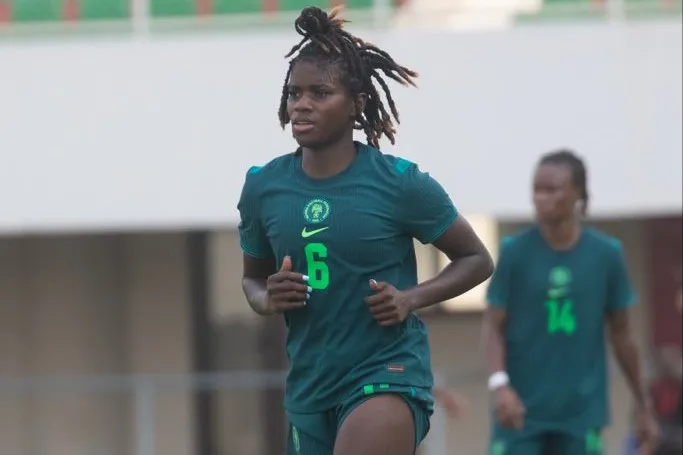
Chiamaka Nnadozie, the Super Falcons’ goalkeeper, continues to attract continental attention with her nomination in the Goalkeeper of the Year category.
Meanwhile, Flamingos captain Shakirat Moshood made the Young Player of the Year shortlist.
Victor Osimhen, who had an incredible season with Galatasaray, also earned a place in the final three for CAF Player of the Year.
The 2023 winner led his club to a league and cup double while showing his consistent excellence in European competition.





Leave a comment