

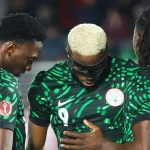
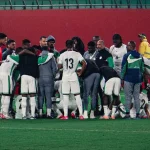
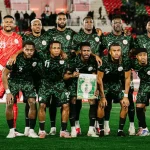
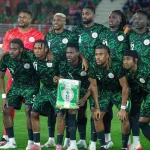

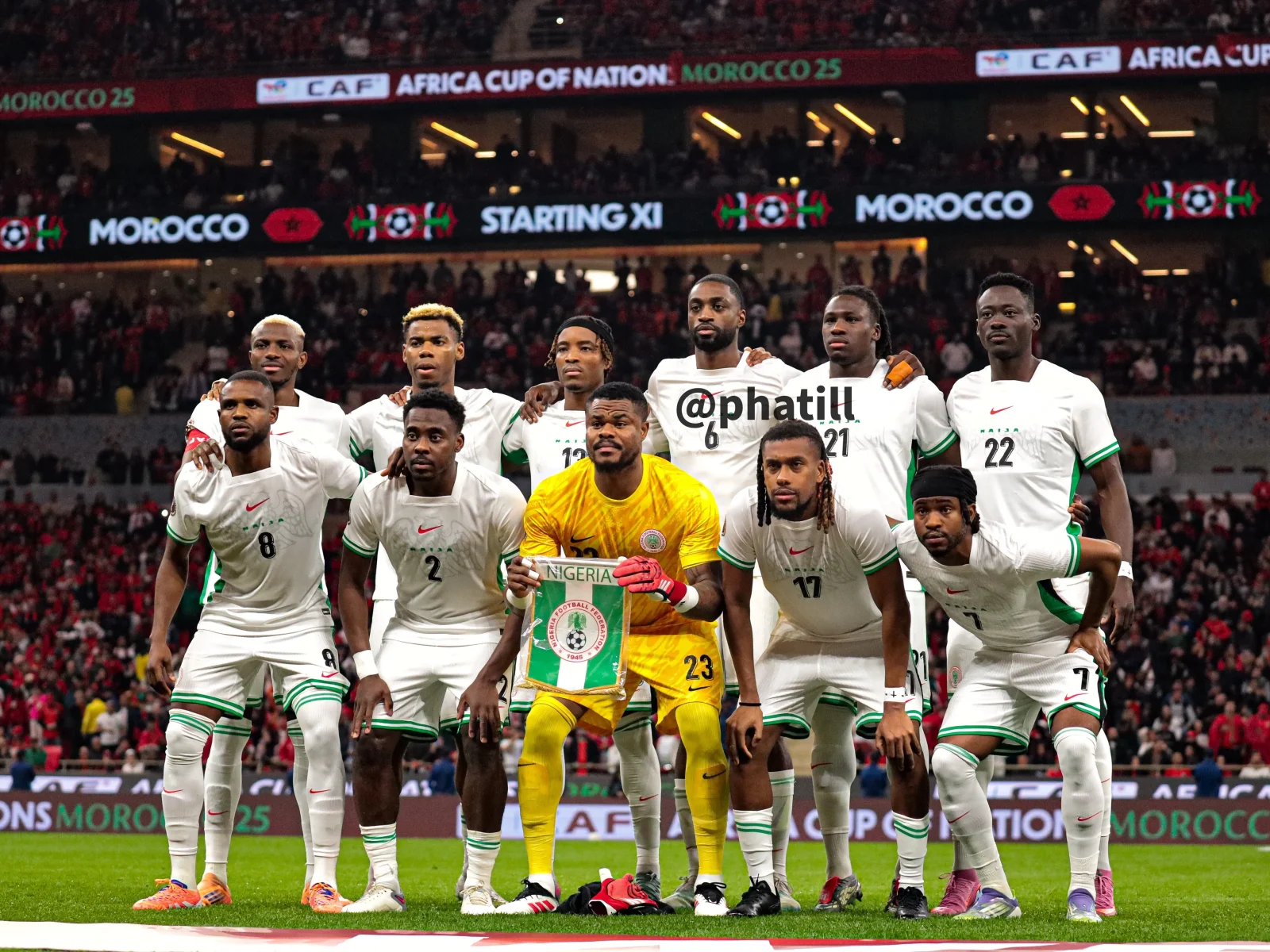
The 17th appearance of the Super Eagles of Nigeria in the semifinals of the `2025 African Cup of Nations (AFCON) was abysmal. In true Nigerian fashion, the Super Eagles played against the “principalities and powers” of the host nation, Morocco, and the Confederation of African Football (CAF).
For a team that had a point to prove in Morocco, the Nigerian side ensured they made their mark on the tournament, both individually and as a group. Playing against hosts Morocco, however, felt like the final before the final. Nigeria had a hundred per cent record before the game, having won all five matches prior, while the Atlas Lions had only a draw against Mali throughout the tournament, breaking a 19-game winning streak. The West Africans were gunning for their fourth AFCON title, and Morocco wanted to clear the path for their first in 50 years on the back of 38 home games without a defeat.
It was the meeting of an unstoppable force and an immovable object. And to top it all off, CAF appointed Ghanaian official, Daniel Nii Laryea, as the centre referee for the match against these two heavyweights.
For Super Eagles legend, Sunday Oliseh—a hard man to please—the Nigerian team had been impressive all through the tournament. “The way these Super Eagles have played… is the best I have seen in the last 20 years,” the ex-senior men’s national team coach stated on a podcast. This wasn’t an isolated feeling. Many followers of the tournament even began asking how Nigeria failed to qualify for the 2026 FIFA World Cup with the engaging and entertaining style of play they had displayed throughout the tournament.
While some may say Nigeria faced lowly ranked opposition, we know anything can happen in football, but especially at the AFCON, rankings usually don’t matter—until the further stages anyway.
But Nigeria’s woes didn’t start at the Prince Moulay Abdellah Stadium in Rabat—the same stadium the hosts had played all their previous matches—in front of 65,458 fans. It didn’t start when stadium officials prevented fans from carrying the Nigerian flag into the stadium, nor when they scattered groups of Nigerian supporters in the stands. It didn’t even start with Chelle not having a Plan B against the Moroccan side. It all started in 2014, a year after Nigeria won its third AFCON title.
Morocco, the suspiciously willing participant
Ebola was rife on the continent, and Morocco had won the hosting rights for AFCON 2015. Just a few months before the tournament, the Kingdom asked CAF to postpone it due to fears of exposing the country to an influx of fans from other countries. The confederation denied their request and disqualified the Atlas Lions from the tournament.
In 2023, when Morocco won the bid to host the 2025 edition—after successfully hosting the Women’s African Cup of Nations (WAFCON) in 2023—it came with a full package. They would host age-grade tournaments and all the women’s competitions until 2027. It was a great deal for CAF, which meant there would be no need to worry about the next country hosting the tournament. Plus, Morocco has world-class facilities that put many African countries to shame by more than a mile, leading them to win the co-hosting rights for the 2030 FIFA World Cup. The unspoken clause, however, would be the need for CAF to please their “generous” hosts. And Nigeria didn’t even know how it would be affected.
The Moroccan women’s national team had lost the WAFCON 2022 final to South Africa on home soil. Their meeting with Nigeria in the final of the 2024 edition was tenuous and heated. The Super Falcons beat them at home to win their tenth title. The referees were blamed, Morocco filed a formal complaint against Namibian referee, Antsino Twanyanyukwa, and CAF sacked the Head of Refereeing Committee, Désiré Noumandiez Doué. The Kingdom will host the next WAFCON.
Things did start to get suspicious at the 2025 CAF Awards held on November 19, 2025. While there were a few raised eyebrows about Achraf Hakimi winning the men’s Player of the Year or Yassine Bounou winning the men’s Goalkeeper of the Year, it seemed sinister that Ghizlane Chebbak won the women’s Player of the Year. Even the CAF social media handles couldn’t show a picture of her with a trophy to justify the win. For the first time ever, the national team of the Year award had more than one nominee from a country; the senior and U-20 men’s teams. The U-20 team won the award. The total number of awards won by Morocco on the night came to six.
But then, the morning after Morocco edged out Nigeria in the semifinals—nearly two months after the awards night—the CAF Women’s Coach of the Year award was announced. It had Morocco’s coach, Jorge Vilda, Nigeria’s coach, Justin Madugu, and TP Mazembe women’s coach, Lamia Boumehdi, as finalists. While one would expect that one of the WAFCON finalists would be given the award, it rather went to Boumehdi, the Moroccan, whose team won bronze in the CAF women’s interclub competition and wasn’t named the women’s Club of the Year, ahead of the coach who won a tenth title for Nigeria. Meanwhile, the Interclub Player of the Year went to Morocco’s Sanaâ Mssoudy.
The relationship between CAF and Morocco hasn’t been lost on the public, including fans and players. “The big question here is when will this whole [CAF] compensation to Morocco end[?] Awards, tournaments [and] all… it’s getting boring now. We need other countries to step up. Everything concerning African football happens in Morocco, feels like that’s the new HQ,” said record six-time CAF POTY Award winner, Asisat Oshoala.
Super Eagles, shaken, not stirred
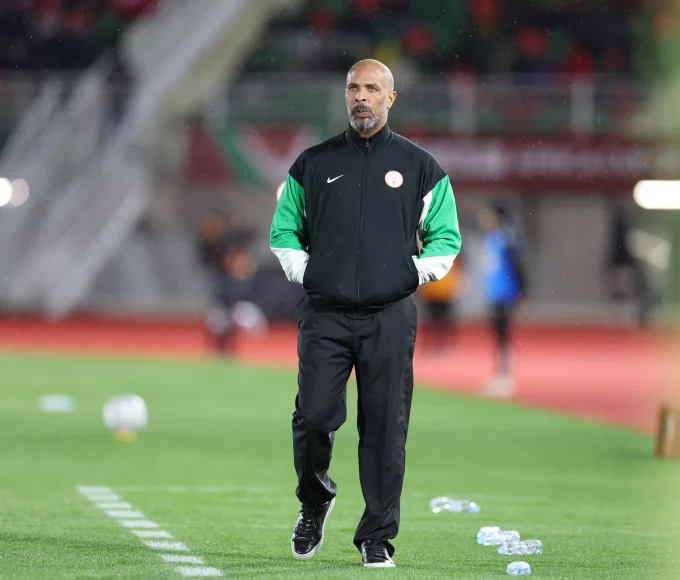
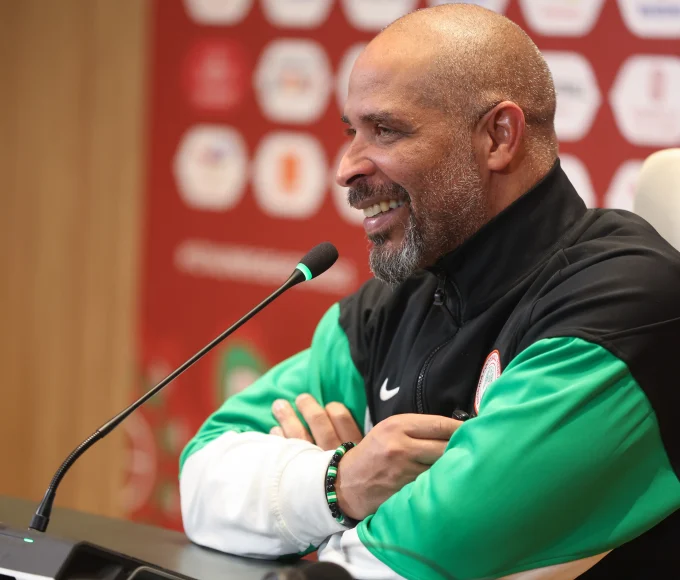
The Super Eagles played their hearts out against Morocco. But Eric Chelle, Nigeria’s head coach, had already given a preview of how the match could turn out during his pre-match press conference. Regarding his tactics, he said he would opt to let the Atlas Lions play while his team sat back. He was already dealing with the loss of his captain, Wilfred Ndidi, who was out due to a second yellow card offence and injury.
When asked what he would do if the game went to penalties, Chelle said, “The coach can tell you we work on penalties every training session. But the man can tell you he will go to the mosque to pray. That’s football.” He referred to the uncertainty that is tied to penalty shootouts in tournaments like this, since he had previously joked that he doesn’t lose in open play.
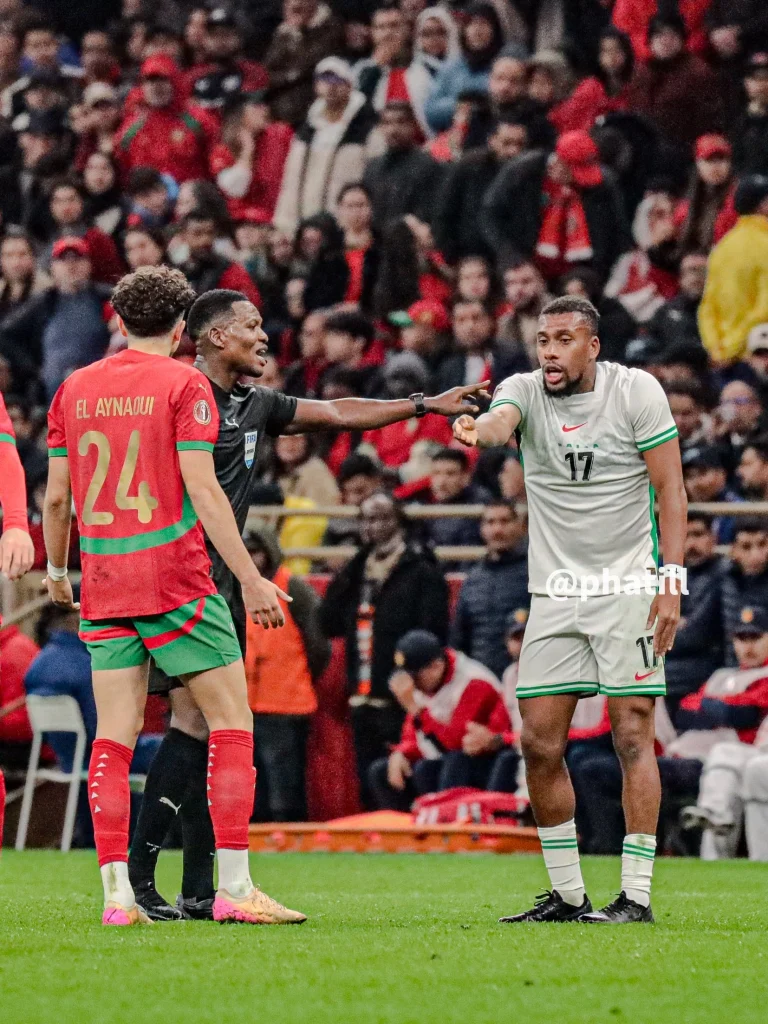
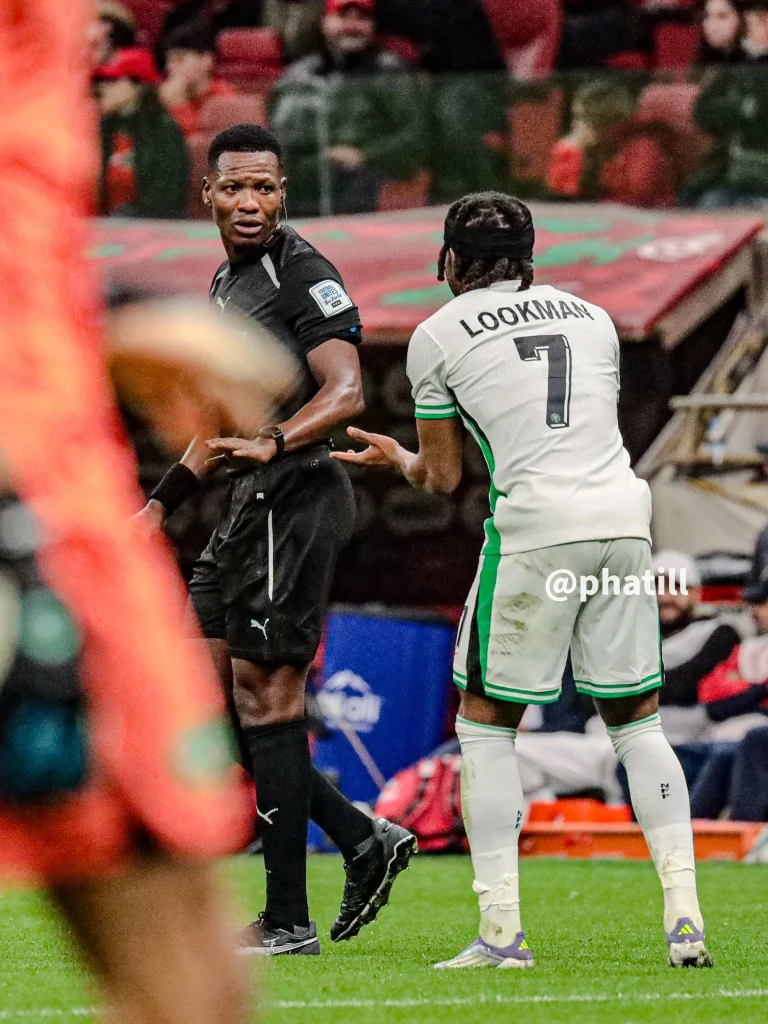
Nigeria could have done some things differently during the game to show they actually wanted to be in the final, but Morocco were way ahead. Chelle was outclassed and couldn’t muster up enough tactical ability to challenge the Lions, coupled with the questionable officiating from the referee.
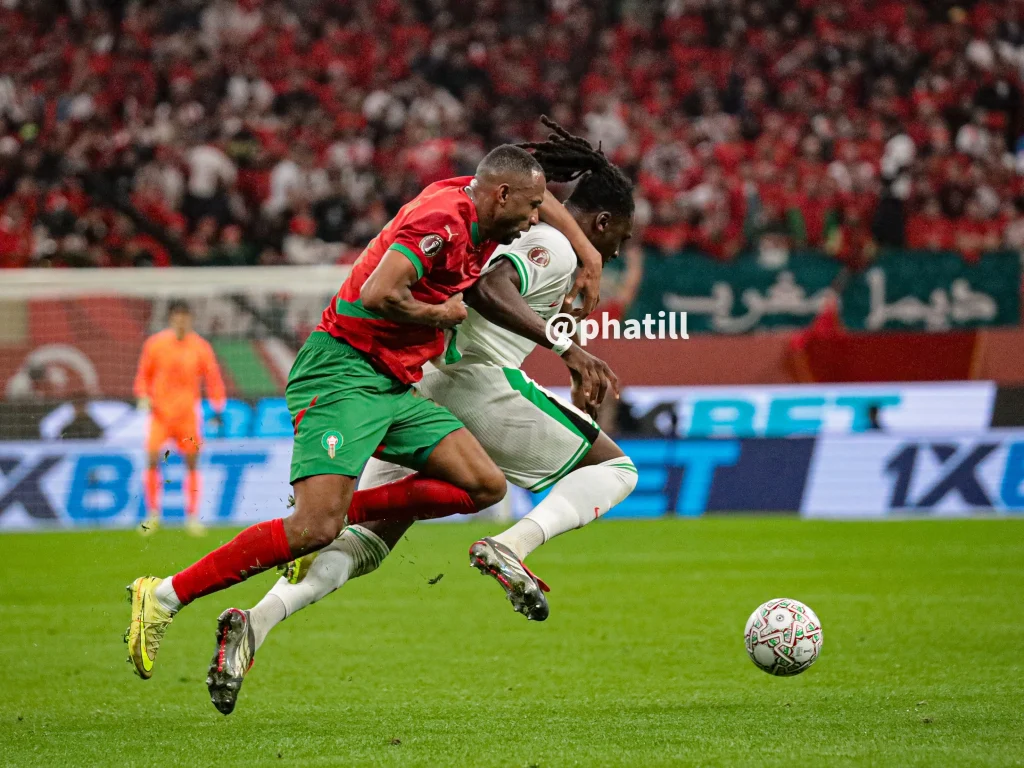
Referee Laryea, suggestively one of Ghana’s top referees, managed to sway the tempo of the match to favour the hosts. Nigeria rarely got 50-50 calls in their favour and ensured Calvin Bassey got a yellow card for a foul from Brahim Diaz against him. Of the 22 fouls called against Morocco, none led to a yellow card. One notable incident was when the Accra-born referee blew the whistle when Nigeria was with the ball for an incident that didn’t exist, leaving players from both sides confused. He eventually called it a throw-in for Morocco.
On another occasion, where Nigeria’s Moses Simon made a run against Achraf Hakimi on the left wing, the Paris Saint-Germain tugging at the Paris FC player’s shirt fell down. Layrea’s whistle signalled a foul that prompted a commentator from one of the official tournament broadcast networks to ask, “Oh, please! Where is the foul? Where is the foul?”
As the game wound down to a penalty shootout after 120 minutes, there was no saying what the outcome would be, and Morocco came out on top.
ESPN writer Colin Udoh puts it best: “Here is the thing about that referee’s performance. It wasn’t responsible for anything really egregious – barring that Bassey yellow card – but the cumulative nature of those little niggly calls meant it broke up Nigeria’s rhythm enough and in a way that ensured that in a game that was ultimately one of very small margins, they could not win except by some rare, lucky chance.”
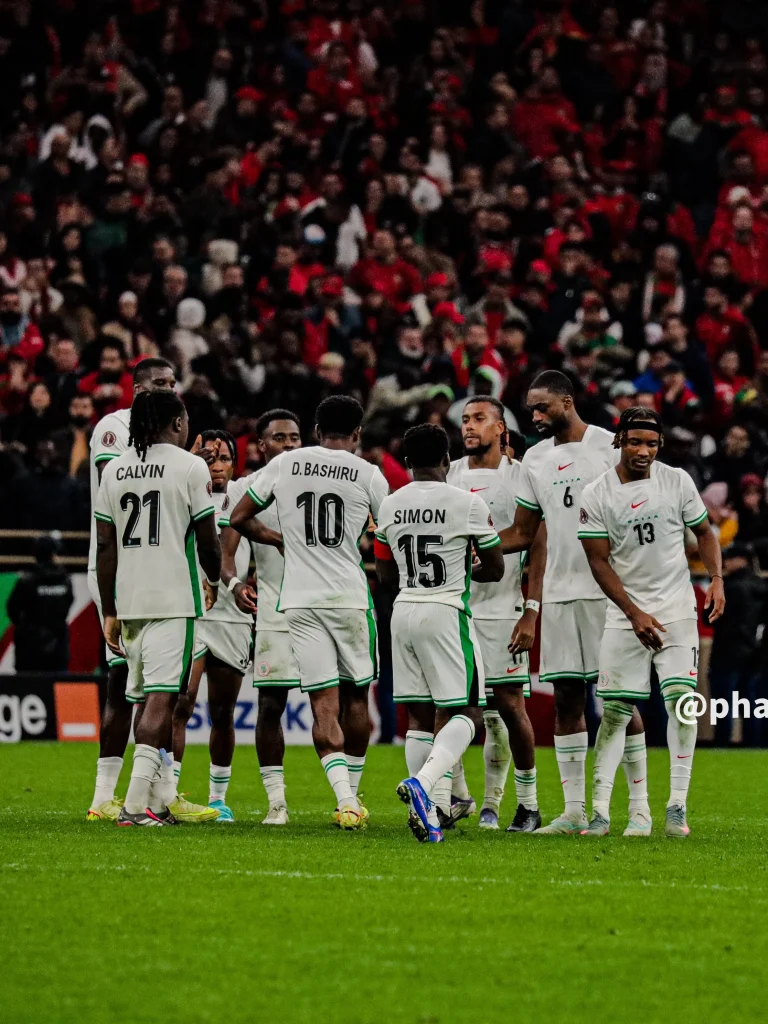
Rather than invade the pitch to harass match officials for controversial calls, the Super Eagles go into a fixture they have played eight times, and won eight times—with a tournament and continental record.
As Nigeria prepares for the third-place match against Egypt, who lost to Senegal in the first semifinal fixture, at the Stade Mohammed V in Casablanca on Saturday, they remain the team to beat at the 2025 AFCON.
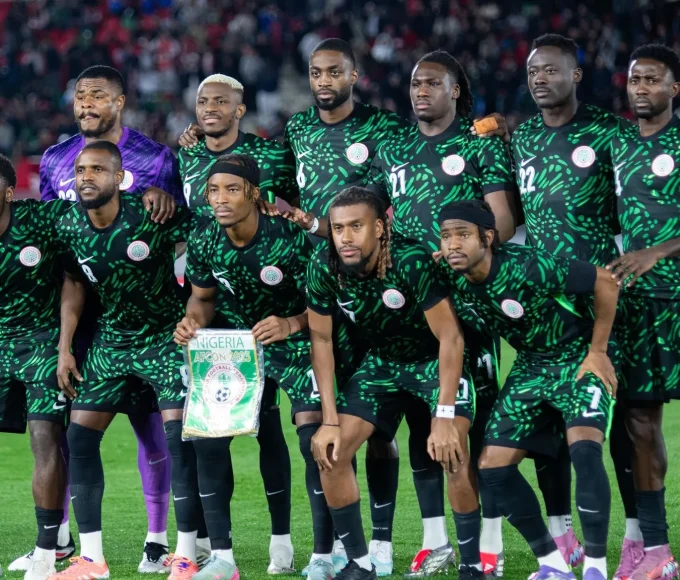
In the presence of 65,458 spectators, Nigeria held their own until the end of regulation time. They paid the price of playing against a host in search of silverware for 50 years, backed by the tournament organisers as the host. Despite this, they boast some of the favourites who should make the tournament eleven, including the MVP award. Nigeria, in AFCON 2025, have won five and drawn one, scoring 14 goals in five matches, and only being edged out on penalties—just as against DR Congo in the World Cup playoff. The Super Eagles remain the team to beat.



Leave a comment