


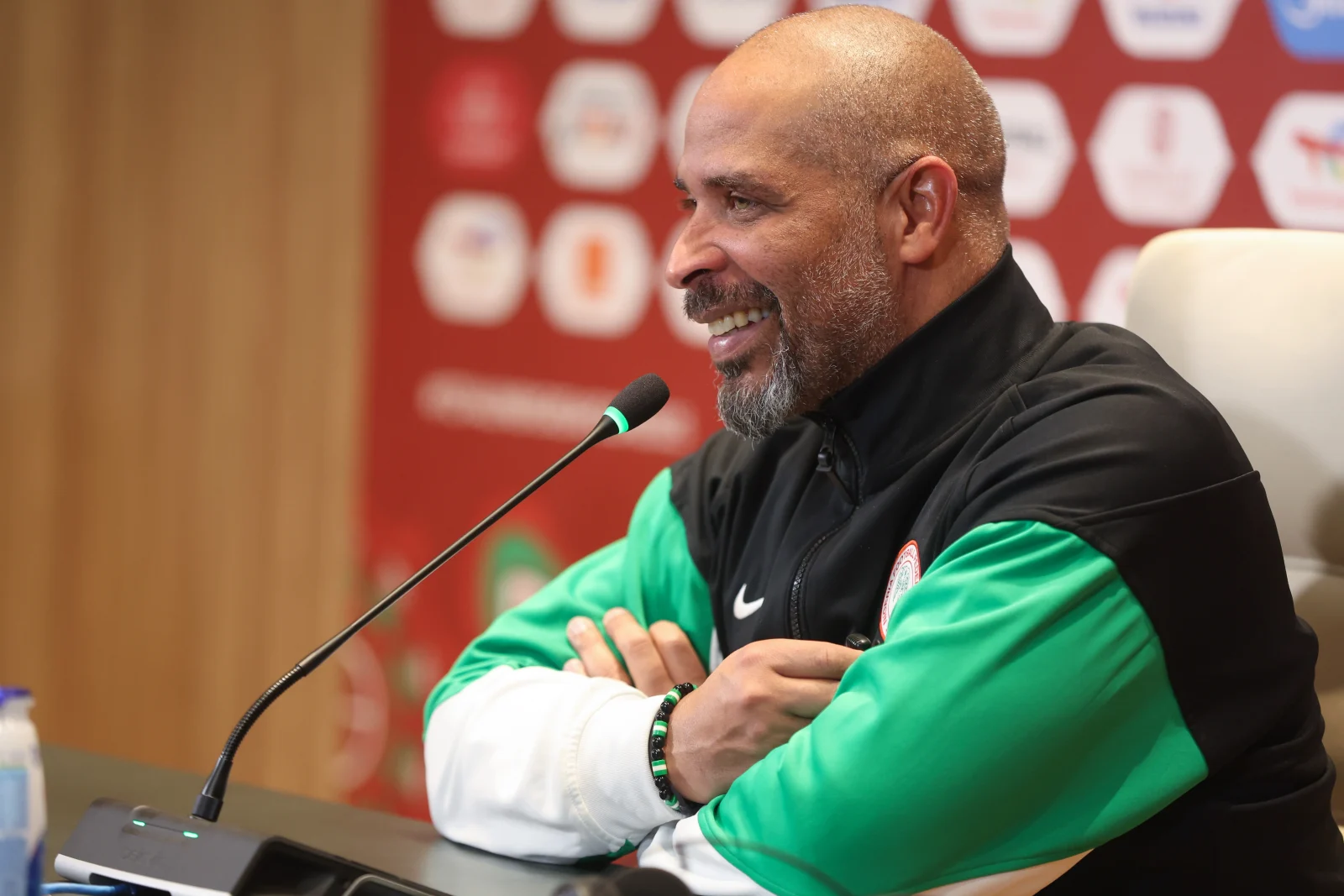
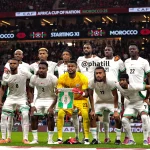
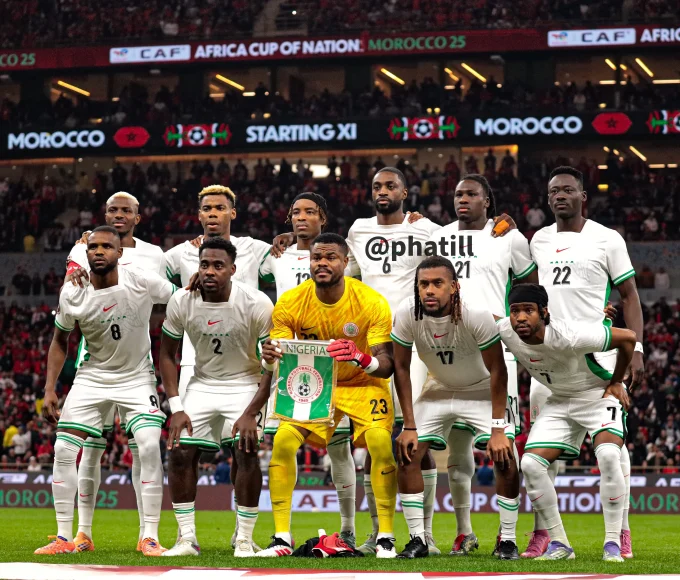
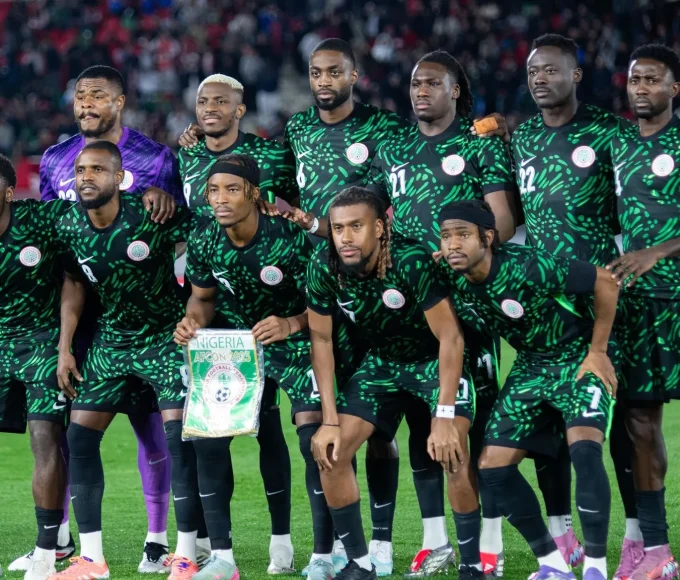
There’s a nationwide blackout in Nigeria, but Eric Chelle is holding a light at the end of the tunnel for the football-crazed nation, it seems. The Super Eagles, Nigeria’s men’s national football team, have scaled through the group stages of the 2025 Africa Cup of Nations (AFCON) in what looks hitch-free.
Just weeks earlier, the three-time AFCON champions failed to qualify for the 2026 World Cup, having failed to scale through DR Congo in the continental playoffs. Many fans believed they didn’t deserve to be at the tournament, which will be hosted by Canada, the USA, and Mexico. This team are now having to prove these fans wrong with Frenchman Eric Chelle leading the orchestra in Morocco.
Chelle’s appointment to lead the Super Eagles in January 2025 came with raised eyebrows and wagging and nagging tongues. The usual “local coaches snub” was brought up, and for fair reasons. He had only coached one national team—Mali—and Nigeria is his second. He, however, led Les Aigles to the quarterfinals of the 2023 AFCON, where the image of his smoking head being cooled with water was etched into the annals of the tournament’s meme history rather than his tactical prowess.
Before that, he had managed French clubs GS Consolat, FC Martigues, and US Boulogne, and Algerian side, MC Oran. His CV was not pleasing to the Nigerian fans, who always believe they deserve the world’s best football managers to coach the Super Eagles. A belief hinged on the quality of players Nigeria can source worldwide, while making occasional cases for the local players.
The Trials of Brother Chelle
Chelle, born in Côte d’Ivoire to a French father and a Malian mother, was saddled with the tough job of qualifying Nigeria for the AFCON and the World Cup. The latter was the challenge he couldn’t surmount. The Nigerian Football Federation’s (NFF) mismanagement of the coaching staff, which led to a period of instability coupled with poor results, had already marred the Super Eagles’ chances of qualifying.
José Peseiro had resigned his role with the Eagles after leading the team to the final of the 2023 AFCON in Côte d’Ivoire. The Portuguese was owed salaries, bonuses, and allowances. In came Finidi George, a Super Eagles legend. The NFF finally acceded to calls for a local coach. But the UEFA Champions League winner’s tenure was short-lived, with disastrous and disappointing performances and results. Meanwhile, he had won the Nigerian Premier Football League with Enyimba in his first season, just before being called for the national assignment.
While the federation searched for and had unsuccessful discussions with high-profile names such as Hervé Renard and Antonio Conceição, the more affordable and available choice was Chelle. This made him become the first non-Nigerian African to coach the Super Eagles.
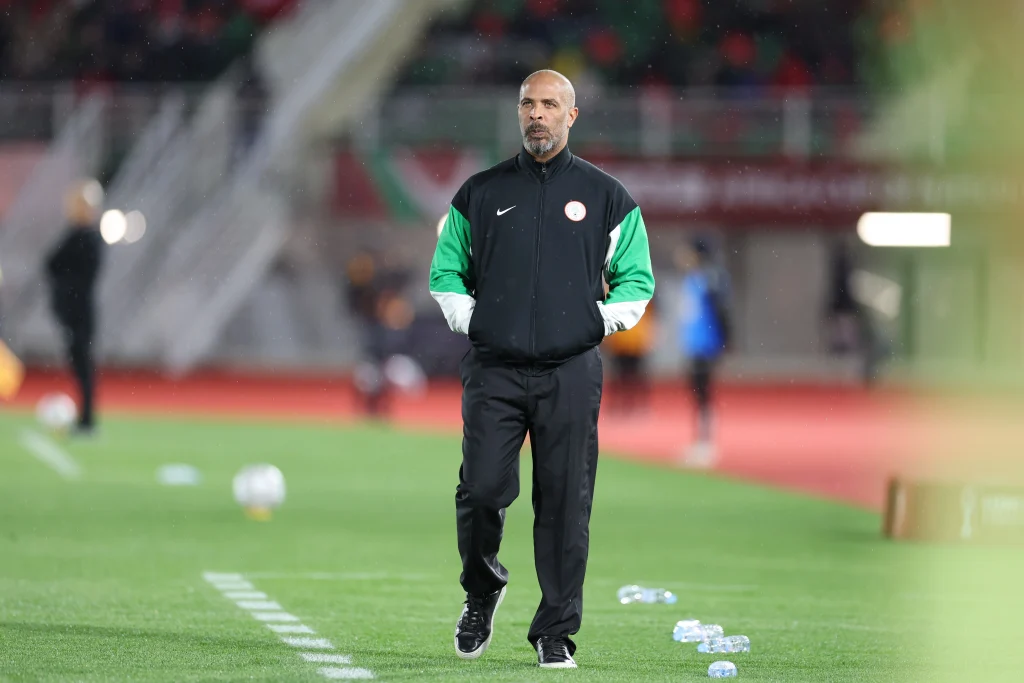
Chelle’s major constraint has been team selection. Nigeria has a good number of players who can compete for positions within the team, especially in attack. But he was hired to make a difficult job look easy.
While there have been age-long allegations of the NFF influencing roster selection, Chelle’s final 28-man squad for the AFCON, which he released 18 days before kickoff, had a few surprises. Cyriel Dessers, whom the NFF communications department scapegoated after Nigeria failed to qualify for the World Cup, was included. Ryan Alebious, an Arsenal Academy graduate lighting up Blackburn Rovers; Tochukwu Nnadi, who plays in the Belgian second-tier; Croatia-based Salim Fago Lawal; and Ebenezer Akinsanmiro, a homegrown talent from Beyond Limits Football Academy, seemed to have finally gotten the attention he needed from home. These players are all in their very early twenties.
And then there is the question of Usman Muhammed, another homegrown talent who seemed to have been snuck into the final squad. He had played for the Ranchers Bees and Taraba FC before moving to Europe in 2018. Chelle was now handing him his first call-up at 31 years old, while playing in the Israeli second-tier.
Chelle had to contend with some “old-timers” hanging up their international boots. Super Eagles stand-in captain, William Troost-Ekong, announced his retirement ahead of the AFCON in what feels like seppuku following the protest by players over unpaid bonuses and allowances just hours before the World Cup playoff fixture against Gabon. The captain, Ahmed Musa, on the other hand, had missed a number of matches with the Super Eagles already. While he may still have some steam in him, Nigeria’s highest goal scorer at a single World Cup already appeared to be at the exit. His retirement announcement was met with a familiar and long-overdue congratulations.
As Ekong’s departure meant Fulham’s Calvin Bassey would take the reins in defence, the goalkeeping department would prove to be a bane in Chelle’s existence. While the reasons remain speculative and unclear, Maduka Okoye, whom everyone hoped would continue Carl Ikeme’s legacy as a calm and collected shotstopper, wasn’t included in the squad. This opened the door of return to Francis Uzoho and Amas Obasogie. Nigeria have so far conceded four goals shared between Stanley Nwabali and Uzoho.
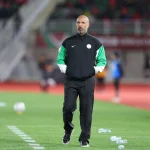
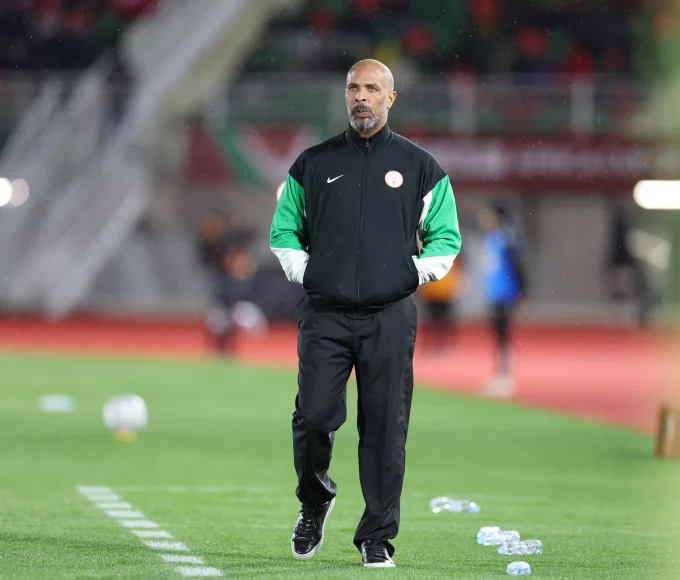
Always exuding the calmness of an eagle while carrying out his duties, Chelle has reignited the fans to rally around the Super Eagles. Although many Nigerians, and some Africans who are not Ghanaians, believe that no matter how poor the Nigerian team is, they’ll always be favourites at the AFCON, the sadness and angst that came with not qualifying for the World Cup dampened it.
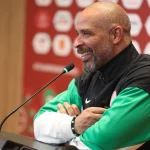
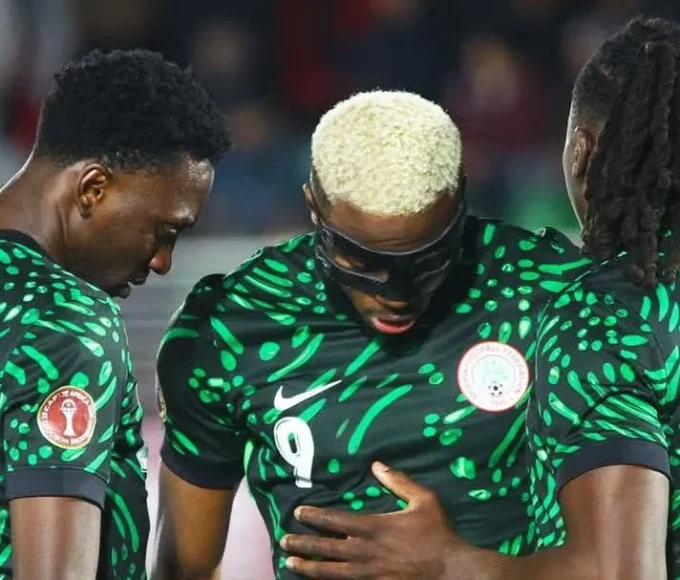
Chelle has been named the manager of the best eleven for the group stages, with Ademola Lookman also earning a spot as the highest-rated player, according to bookmakers. In their fixtures against all three opponents, the Nigerian side has looked dominant and keen to eke out results in their favour. Talisman Victor Osimhen has been integral in keeping the team deadly in attack despite only scoring a goal in the three group games. A confidence that the coach kept in him when he kept him on for 87 minutes in a dead rubber encounter against Uganda—as captain. “I took a gamble,” said Chelle in the post-match press conference to Joy Ojeabulu.
Same Eagles, same goal, deliberate direction
The Eagles’ playing style has also changed. There’s more attention to stringing passes, finding the nearest man, and ensuring constant movement with the ball. The players seem to know their roles better, but are also willing to put extra effort when required to play in unnatural positions. Although Chelle is learning quickly not to fix what isn’t broken. A section of Nigerian supporters believes this is a result of the quality of the facility in Morocco, being familiar with many of the players who play in Europe. Despite this, there seems to be a sense of orderliness in gameplay from the Super Eagles.
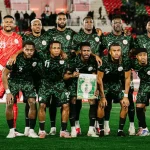
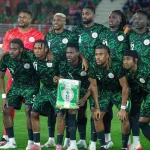
After finishing top of Group C with perfect points, Nigeria, ranked 38th in the world and 5th in Africa, now faces Mozambique, ranked 102nd by FIFA, in the Round of 16. And the hopes are near high—the hopes are always high for the Super Eagles.
It is the fourth time Nigeria have conquered the group stage of the AFCON following similar feats at the 1992, 2006, and 2021 editions. In the latter, the Super Eagles, who were favourites to go all the way—or at least to the semifinals—crashed out in the Round of 16 after losing to a beatable Tunisia. That team was led by the current Technical Director of the Nigerian Football Federation, Augustine Eguavoen, in his fourth stint at the helm.
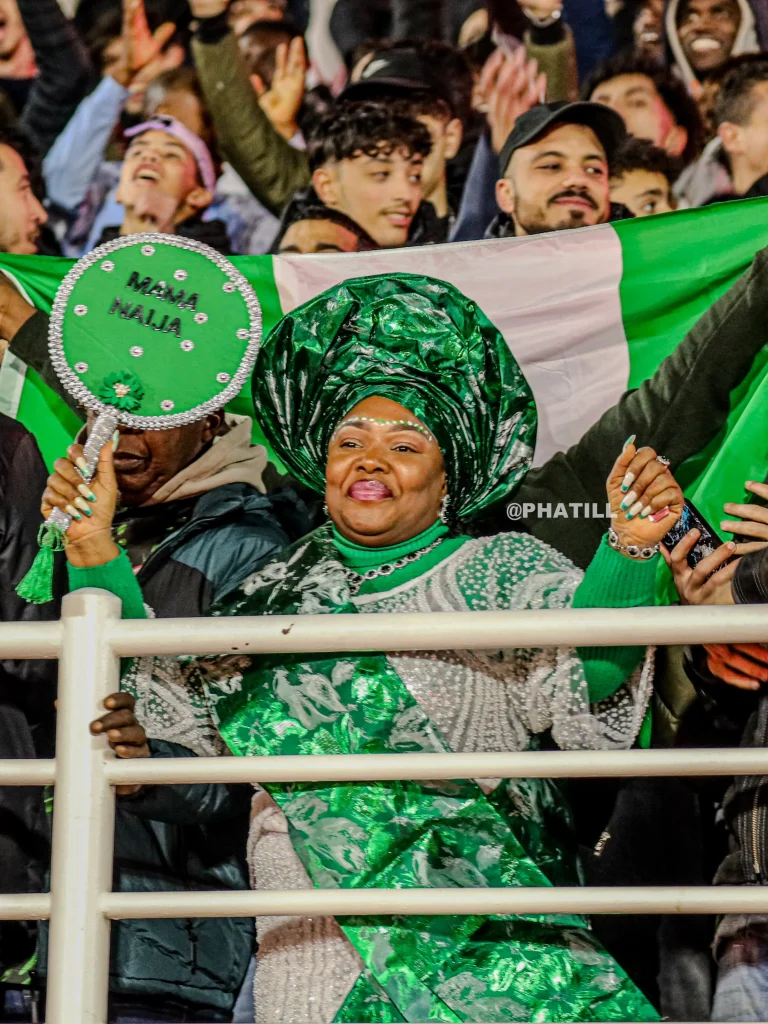
However, every time Nigeria has won the tournament, it has always come inexplicably. Even the 1980 edition, which Nigeria hosted and won the first title, was as such because the team had never made it to a tournament final. The Super Eagles are playing as a team that wants to win, but taking it a game at a time. Chelle isn’t letting the pressure of coaching one of Africa’s strongest teams with a storied legacy, despite the lack of care from administrators, get to him. He is building a team on the back of experienced hands and fresh blood, with ready-made European stars and player itching to make their mark; with the knowledge that everything is on the line for him and his future.
With Chelle’s light at the end of this tunnel, he and his squad have a point to prove, and they are playing like it. Against Mozambique, will the light Chelle holds keep shining? Can the Super Eagles of Nigeria win AFCON 2025?



Leave a comment