

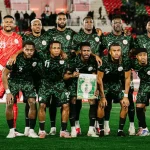
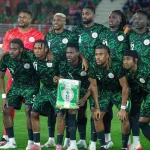

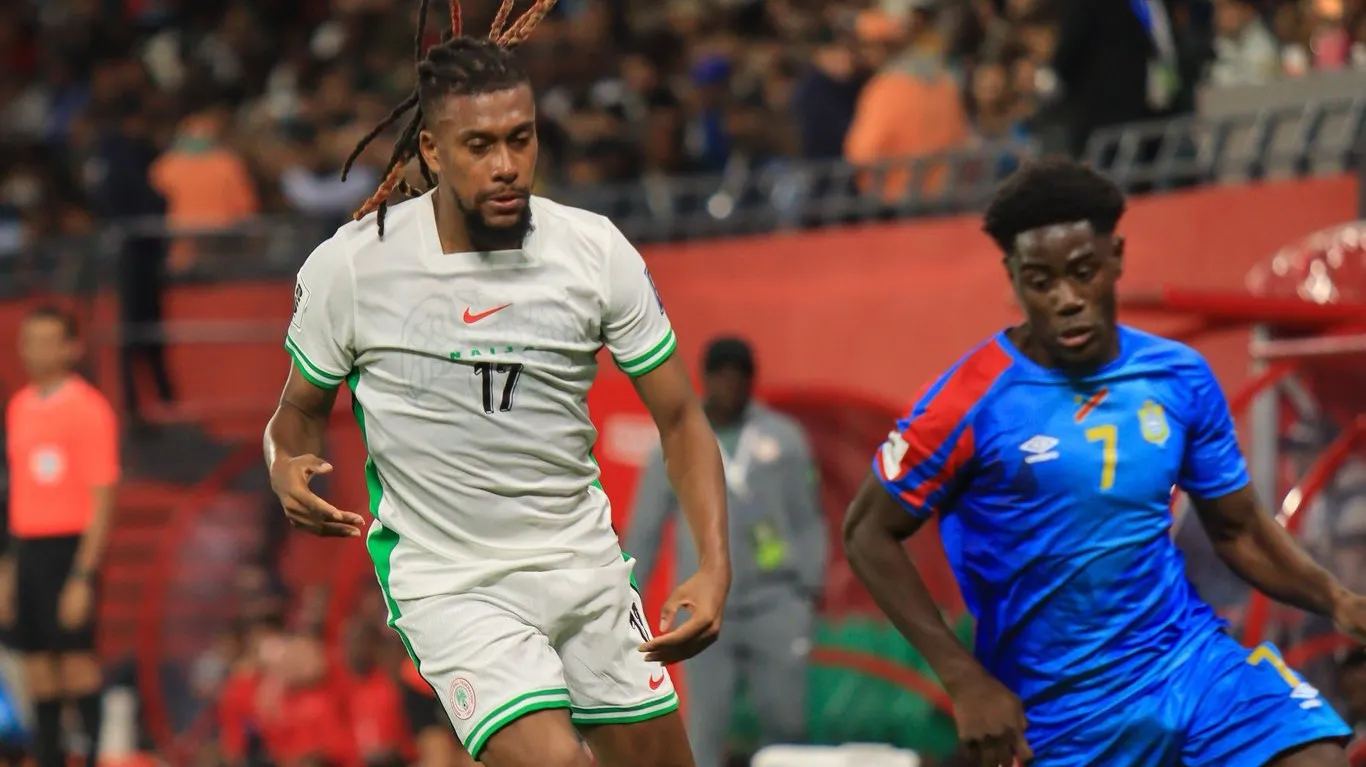
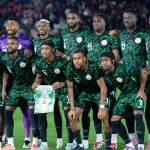
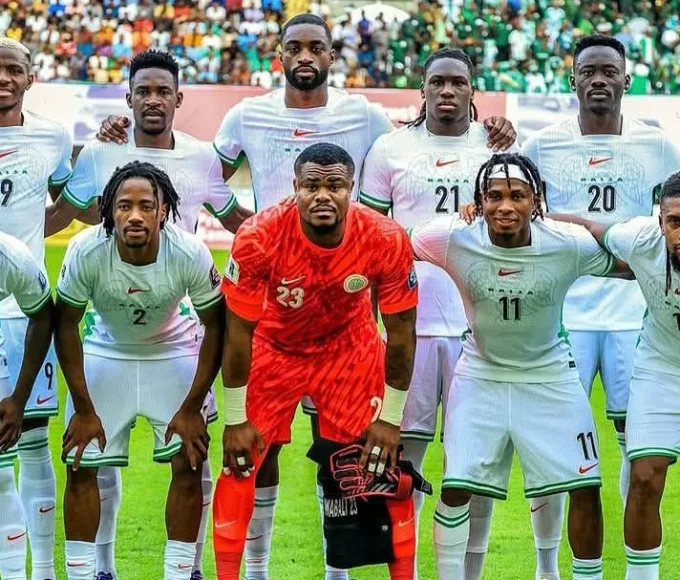
For Super Eagles of Nigeria, the 2026 World Cup dream died in Rabat, not with a lack of effort, but in a cruel blend of missed opportunities, injury, and questionable choices that left the team on the wrong side of a penalty shootout.

After 120 minutes of tension and a 4–3 defeat on spot-kicks, Nigeria now faces the bitter reality of missing a second consecutive World Cup.
Super Eagles start strong, but costly mistakes hurt early
From the first whistle, the Eagles looked more like the stronger side. Frank Onyeka gave Nigeria a dream start in the third minute, converting a loose ball from Zaidu Sanusi’s cross with a powerful 20-yard strike that found the bottom corner.
For some moments into the encounter, it seemed the Eagles might run away with the tie. They moved the ball with confidence, pressed high, and created multiple chances before the half-hour mark.
Yet, in a match that demanded precision, Nigeria’s avoidable mistakes proved costly. A defensive lapse, compounded by Iwobi’s misjudgment from Calvin Bassey’s pass, allowed DR Congo to draw level through Meschack Elia in the 32nd minute.
A sharp counter, set up by Cédric Bakambu, caught the Eagles off guard and served notice that raw energy alone would not carry Nigeria through.
Injury setbacks and tactical misfires define second half
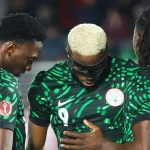
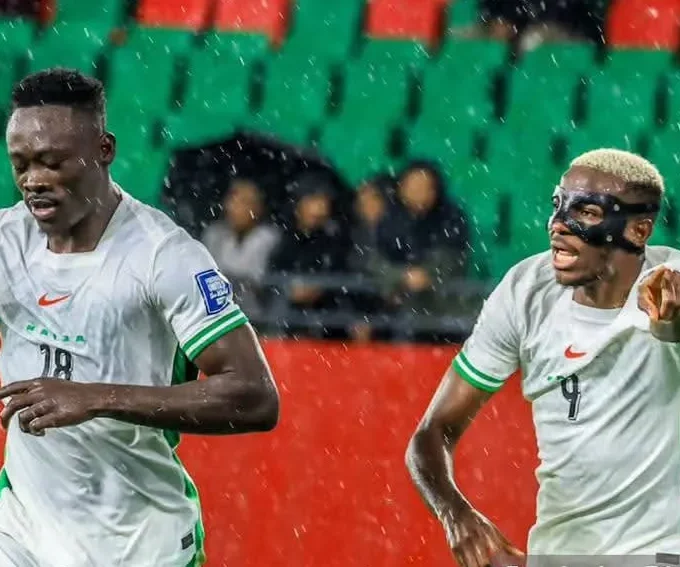
The second half brought more misfortune. Victor Osimhen, the team’s most dangerous outlet, limped off immediately after the interval, replaced by Akor Adams.
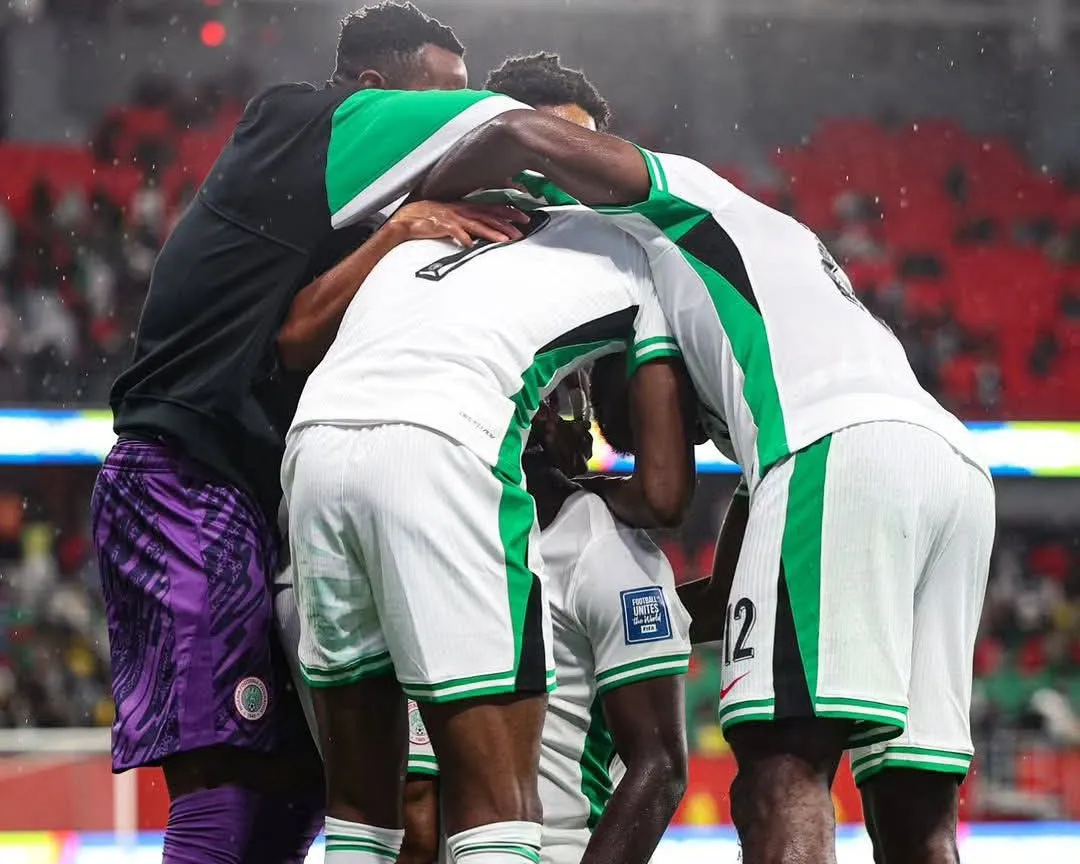
The Galatasaray striker’s absence was felt instantly; Nigeria completely collapsed, and the sharp edge that could have turned pressure into goals disappeared 100 per cent.
Manager Eric Chelle made several more adjustments, with Ademola Lookman replaced by Chidera Ejuke in the 57th minute, while Samuel Chukwueze made way for Moses Simon.
Later, Iwobi’s lack of influence in the final third prompted his substitution for Tolu Arokodare in the 76th minute, with the Wolves forward earning his 10th cap—but the changes could not unlock a stubborn DR Congo defence.
Nigeria dominated large stretches, pinning their opponents back and trying to produce wave after wave of attack, but the breakthroughs never came.
Even with two minutes of added time at the end of extra time, a final surge could not break the deadlock, sending the match to penalties.
Penalty shootout mirrors playoff frustrations
The shootout mirrored the campaign’s frustrations. Calvin Bassey missed the opening kick, a blow compounded by Moses Simon seeing his effort saved later.
Yet there were flashes of hope—Stanley Nwabali’s brilliance kept the Eagles in it, and Akor Adams and Bruno Onyemaechi delivered under pressure.
In the end, however, Semi Ajayi’s decisive attempt was saved, a weak attempt from the defender, and DR Congo pulled through.
Amid the heartbreak, there were small positives: Frank Onyeka scored again, marking two goals in his last three appearances for Nigeria.
But individual brilliance could not mask collective shortcomings. Errors in the first half, a limp response in key moments, and tactical decisions that backfired under pressure left the Super Eagles asking uncomfortable questions.
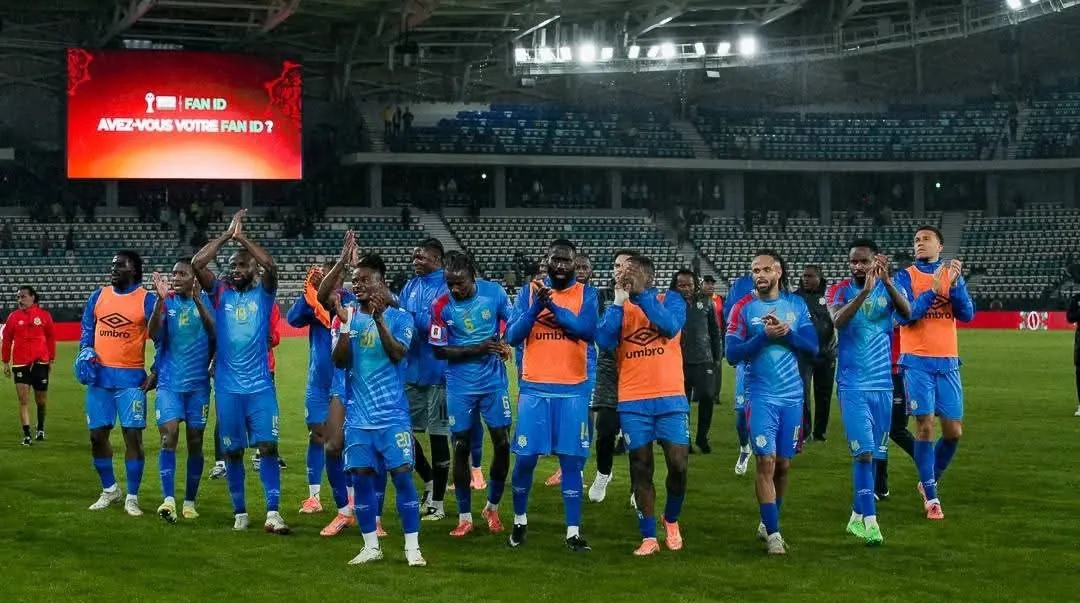
This was not just a defeat—it was a reflection of a team unable to rise to the occasion when it mattered most.
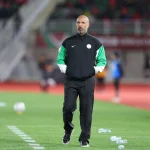
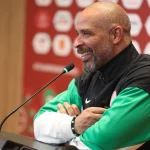
The responsibility sits squarely with Eric Chelle. From substitutions to in-game adjustments, his decisions in Rabat were disasters in critical moments.
Nigeria may have started the match with hope, but they finished it with heartbreak. A nation dreams of World Cup football, yet after 120 minutes of striving, the Super Eagles are grounded once again.





Leave a comment