


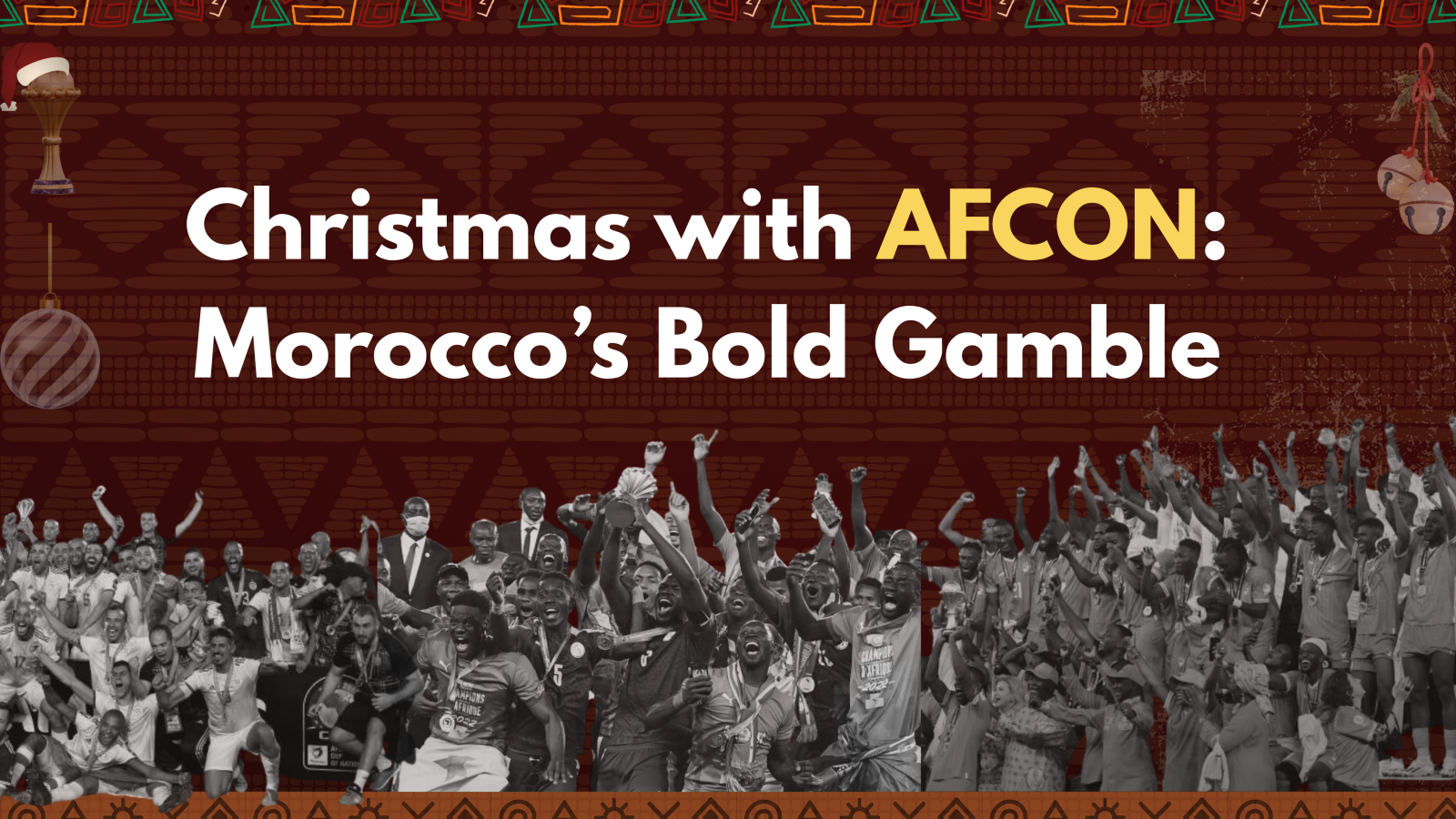
Holidays, traveling, eating and feasting are the big traits of December. The English Premier League also adds football excitement along the way. Normally, the Christmas season ends and AFCON kicks off the new year. That has always been the way since the year 2000, when I started following Africa’s biggest football fiesta.
I was born in the 1990s and a few things have changed since then:
- No more pre-AFCON jingles/trivial/schedule from Peak Milk and other brands
- Social media has changed football culture
- CAF expanded the tournament from 16 to 24 teams
- And now, AFCON will be played in December. Can you imagine that?
Sometimes I miss the old pre-AFCON programs on radio and TV, memorizing the names of cities Nigeria would play in, and the players we would face. But playing AFCON in December, especially the group stages feels different. The more you think about it, the more you wonder if it will be a hit or miss.
Traditionally, AFCON was held in January. The timing was perfect: cooler weather across much of Africa, fewer clashes with the rainy season, and a symbolic way to start the football year. It became part of the tournament’s identity, even if European clubs complained about losing players mid-season.
Christmas with AFCON (The Hit)
Nigeria, especially Lagos, was the destination for the 2024 December rave. It became the entertainment and tourist capital, pulling in tourists, celebrities, and boosting the economy. Social media made it so big that it created FOMO, and people were already looking forward to 2025. But AFCON changes the script. Wherever it is hosted, it attracts huge crowds, fans eager to support their teams and experience new cultures.
Morocco isn’t just hosting AFCON; it’s staging a tourism showcase. Already, 800,000 tickets have been sold, with fans from over 50 countries securing seats. Royal Air Maroc is adding 660 extra flights to Casablanca and other hubs, making sure fans from Lagos, Dakar, and Kinshasa can get in on the action. Hotels in Marrakech, Rabat, and Tangier are bracing for a December boom, while upgraded stadiums and transport networks promise world-class experiences. For Morocco, AFCON is more than football, it’s a chance to turn December into a tourism jackpot.
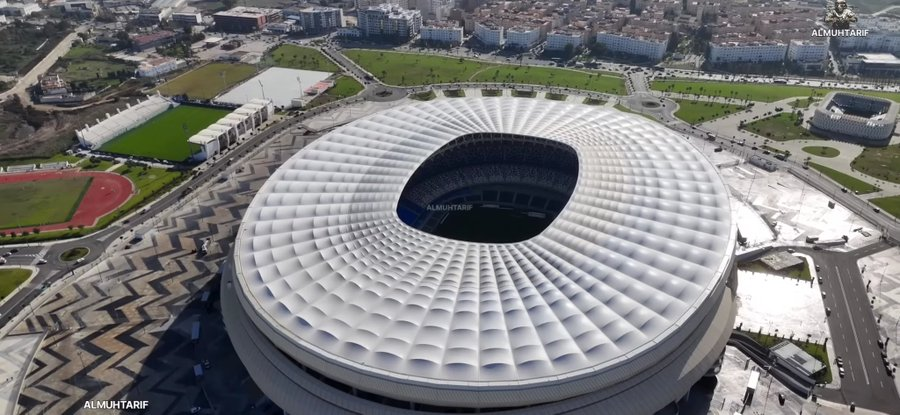
AFCON 2025 will bring a quick boost in visitors, but Moroccan officials are playing the long game, the 2030 FIFA WORLD CUP. They are running global marketing campaigns, and coordinating across sectors. The plan is simple, make sure the tournament keeps paying off long after everyone goes home
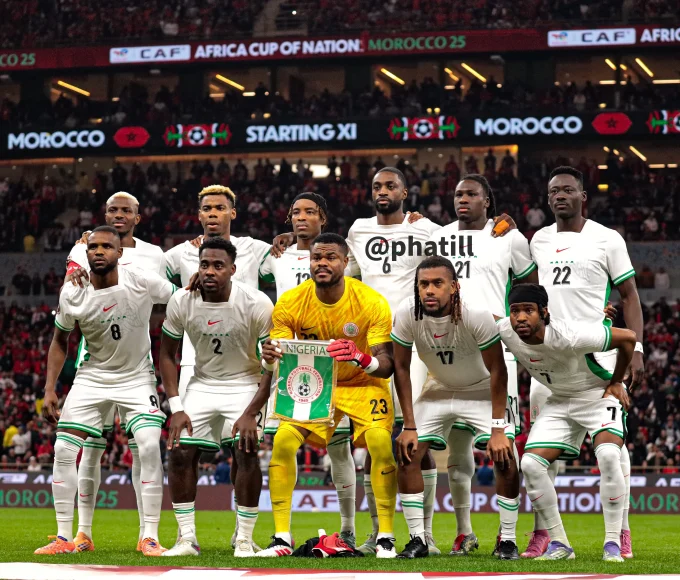
The media success of AFCON 2024 in Ivory Coast, praised globally, has set the stage for Morocco 2025. Morocco, who hosted the last WAFCON and the 2026 FIFA World Cup playoffs, has shown it knows how to deliver. Six cities and nine venues will host the tournament, with the Grand Stade de Tanger the biggest -75,000 seats for the opening game and the final. You can expect nearly half of that crowd to come from outside Morocco.
The Gamble: A Miss?
AFCON in December also comes with risks. The holiday season is packed with family traditions, religious services, and end-of-year events. Fans may struggle to balance festive commitments with match schedules. Travel costs are another hurdle; flights and hotels are at their most expensive in December, which could limit attendance. For example, a round trip to Morocco from Lagos could go as high as three million Naira. And while Morocco offers world-class stadiums and environment, its cooler winter climate may not deliver the carnival atmosphere AFCON thrives on. These factors could affect the buzz, making December AFCON a gamble rather than a guaranteed success.
AFCON in December will directly coincide with Europe’s busiest football calendar. Clubs in England, Spain, and Italy will lose key African players right in the middle of their festive fixtures. Managers will worry about fatigue, injuries, and disrupted team rhythm. While FIFA rules oblige clubs to release players on or before December 15th , the tension will be loud. For some, December AFCON feels like a scheduling headache rather than a celebration.
Afrobeats to the World
Africans are known for their energy, and Afrobeats is taking over globally. Football and entertainment have always worked hand in hand. The maiden AFCON Diasporan Tour proved it, with huge turnouts in London featuring Ghana’s Stonebwoy and Nigeria’s Odumodublvck. The tour will also stop in Paris, building excitement in non-African markets. Opening and closing ceremonies, after-parties, and African traditions on display will inspire hundreds to travel to Morocco.
Entertainment-wise, AFCON in Morocco is gearing up to be bigger than the last edition. Holding it in December makes it more attractive for tourists. Back home in Nigeria, December AFCON means more viewing experiences for fans. Expect brands to activate watch parties and experience centres. Instead of late-night concerts, fans might enjoy a Super Eagles vs Tunisia game with free drinks and music. Lagos State’s yearly December fest will also overlap with AFCON, raising the stakes. People will still party, only now, they’ll party with football on the big screen.
So, What’s the Point?
Morocco’s December AFCON is more than a scheduling twist, it’s a cultural experiment. Football meets Christmas, tourism, and entertainment, creating a spectacle that could redefine Africa’s festive season. If it works, AFCON 2025 won’t just be a tournament; it will be December’s headline act, rivaling concerts, carnivals, and holiday travel. Africa is ready to make football the centerpiece of its celebrations, and December may never look the same again.
Morocco also wants to prove something. With the 2030 World Cup coming, AFCON 2025 is their chance to show they can host the biggest events, attract tourists, and become one of Africa’s most popular destinations.





Leave a comment