

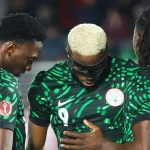
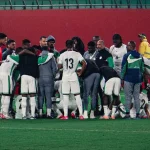
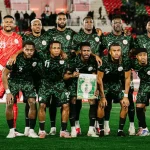
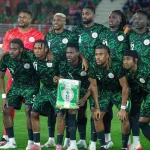

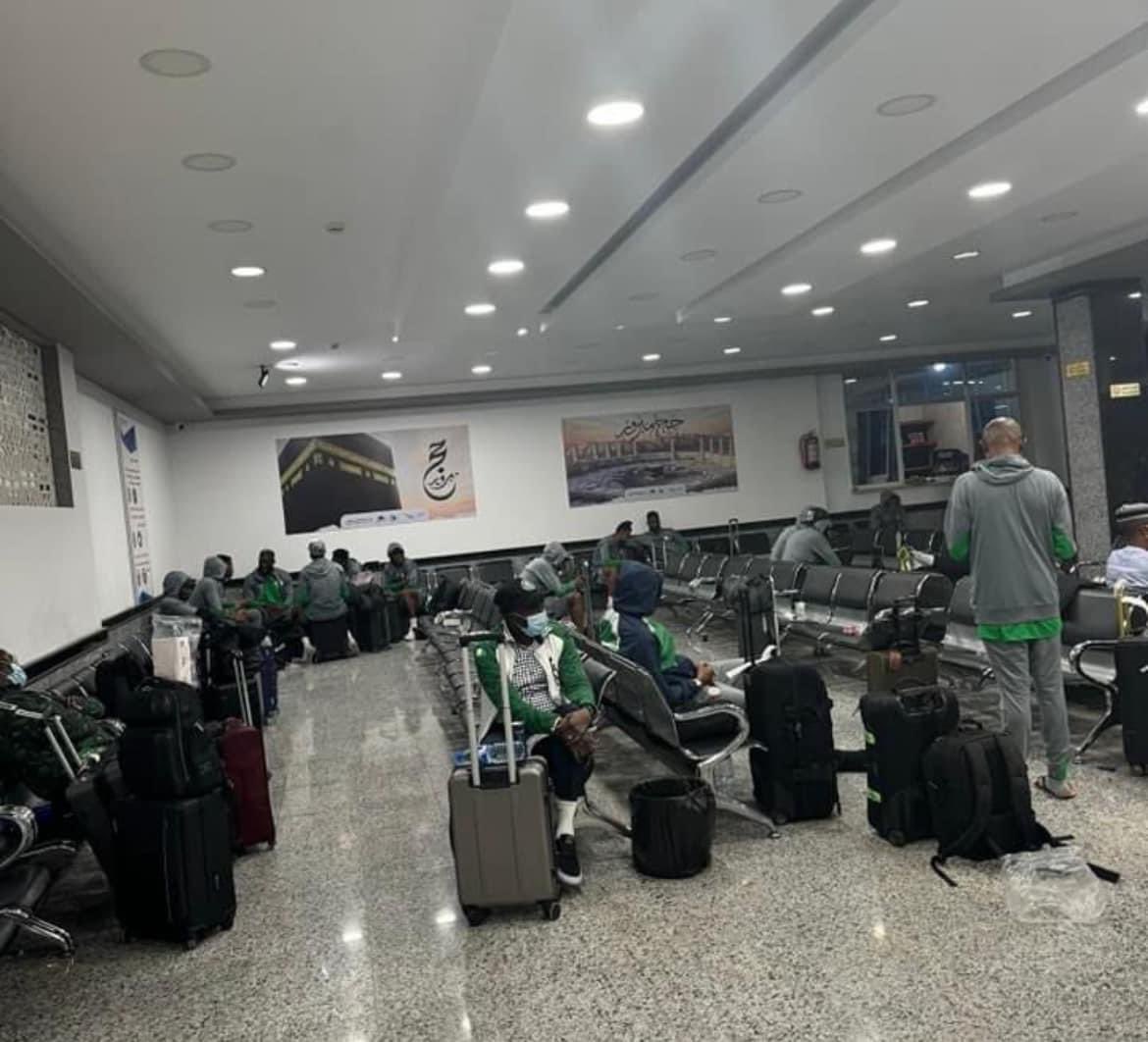
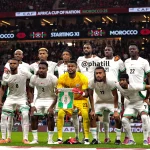
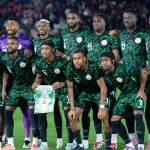
A few hours before the Libya vs Nigeria 2025 Africa Cup of Nations (AFCON) qualifier initially scheduled for Tuesday, October 15, at the Martyrs of February Stadium in Benghazi, the Super Eagles—players, coaches, and officials—boycotted the match, opting to return to Nigeria.
The drama dates back to October 10, when the Nigeria Football Federation (NFF) dismissed accusations of mistreatment from Libya’s captain Faisal Al-Badri upon the Mediterranean Knights’ arrival in Nigeria for the first leg on Tuesday, October 8. Nigeria went on to win that match 1-0 on Friday, October 11, but Libya’s apparent idea of revenge began pre-match and lasted over “Twelve hours in an abandoned airport in Libya after our [Nigeria’s] plane was diverted whilst descending,” according to Super Eagles captain William Troost-Ekong.
“The Lybian government rescinded our approved landing in Benghazi for no reason. They (Libya) have locked the airport gates and left us without a phone connection, food or drink. All to play mind games,’’ Ekong explained via X (formerly Twitter) on Monday.
This incident has sparked outrage both on and off social media, with former and current Super Eagles players, sports journalists, and fans expressing frustration and calling foul. Nigeria’s Sports Minister John Enoh also intervened by engaging with the Confederation of African Football (CAF), the NFF, and FIFA’s Amaju Pinnick to address the situation.
From Nigeria’s arrival at Al Abraq International Airport in Libya on Sunday to their more than 14-hour hostage-like situation, boycotting the match, Libya’s response, and CAF’s reaction—here are five deciding factors and likely outcomes that Football411 has gathered:
There’s more to Libya’s initial accusation than admitted
While the Super Eagles’ and Nigerians’ outrage is well-justified, it’s worth noting that Libya’s national team—despite the NFF’s dismissal—had a rough experience from their arrival to Nigeria on Tuesday.
Although both sides offer conflicting narratives, Ekong’s reaction on Monday acknowledged that, while Libya “were our guests in Nigeria, mistakes happened. But these things [done] on purpose have nothing to do with international football.”
Libya’s actions appear intentional
Though the Libya Football Federation released a statement denying foul play or premeditating the Super Eagles’s hostility, several factors, such as the standard landing arrangements made for the pilots and crew members at the airport, the prolonged detainment, the harsh conditions the players were subjected to, and Libya’s reluctance to remedy the situation—alongside the NFF’s account of the ordeal—suggest otherwise.
CAF wanted the game to be held as scheduled
Despite the harsh treatment the Super Eagles faced in Libya, CAF insisted the match should go ahead as scheduled. According to Minister Enoh, CAF President Patrice Motsepe expressed his preference for continuity during a conversation with him, urging Nigeria not to boycott the fixture. However, the Super Eagles’ determination not to play prevailed.
CAF’s investigation and subsequent action don’t have a favoured party yet
CAF stated on Monday that, “The matter has been referred to the CAF Disciplinary Board for investigation, and appropriate action will be taken against those who violated the CAF Statutes and Regulations.”
However, this doesn’t mean either side is safe, as CAF could eventually sanction Nigeria for boycotting the match, while Libya could be the sole culprit—or both parties could share the hammer’s hit, depending on the result of the CAF Disciplinary Committee.
Match relocation looms
Finally, the rescheduled return leg—if it ever happens—will most likely take place on neutral ground rather than Libyan soil. CAF will need to reassess the political power tussle in Libya alongside Nigeria’s anticipated formal petition for a change of venue.



Leave a comment