



The African Cup of Nations (AFCON) is a time African football lovers always anticipate. And when they know only one team can win they always want it to be theirs. But is that always the case?
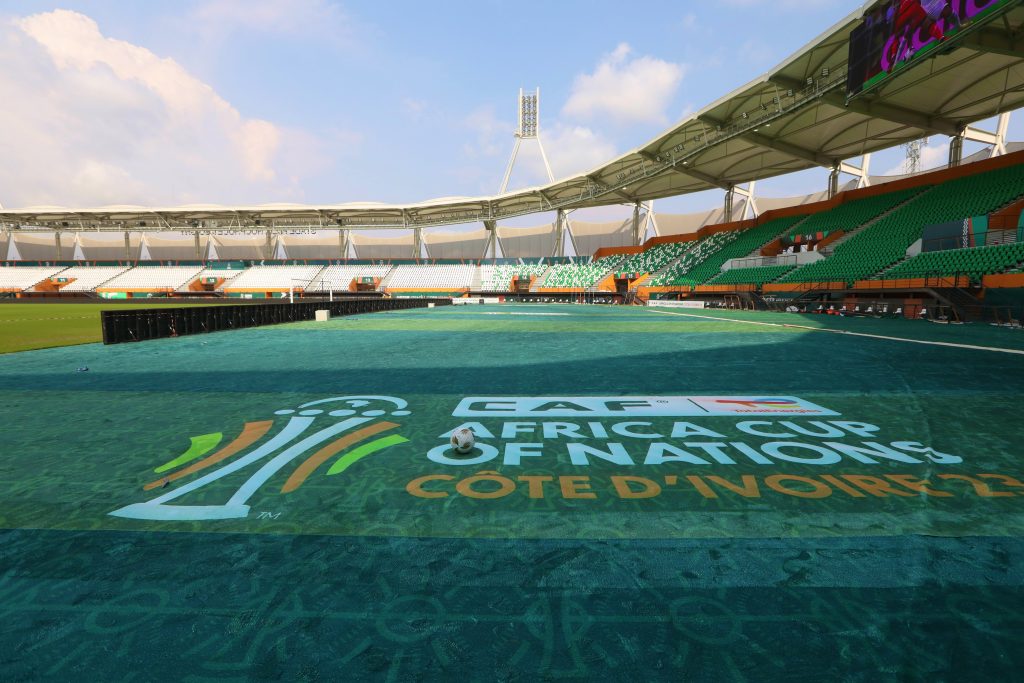
If you’re among those who think Morocco are the favourites to win the 2023 African Cup of Nations (AFCON) in Côte d’Ivoire, I don’t have news for you. All I can say is, you may not have fully grasped what African football really is.
This is not an argument. It’s a sentimental position that many African football lovers hold dear. The greatest football tournament in the world after the FIFA World Cup is the African Cup of Nations. This is the tournament that football media personalities from around the globe want to cover outside of Europe. Some of the greatest players in the world have played at the AFCON, in every of its past 33 editions, including this one.
Many things make AFCON such a great tournament. The players who mostly play their club football in Europe have to leave their teams mid-season and travel for this tournament. And the coaches who struggle to keep their African players start to grumble when the time comes. Everyone remembers the classic case of Kloppo who said it was a “little tournament”. I wouldn’t blame him, two of his best players qualified for the tournament. One of them was on the winning team.
AFCON: A Game of Binary Numbers
One of the weird things you’d find at an AFCON match is a one-sided game that would go five – nil or more without the other team putting up a fight. Except it was between the 50s and 80s. The modern AFCON is a game of binary numbers because even the least-ranked team on the cards of the tournament has a fighting chance. They may get beaten by every opponent they face in the group stage, but not without a fight.
In the early stages of the tournament, you’ll see games ending in ones and zeros, sometimes goalless. That’s how the cookie crumbles over here. For many high-ranked teams, you may see their fans bringing out their calculators to see how many points they would need from the next opponent for a shot at the next round.
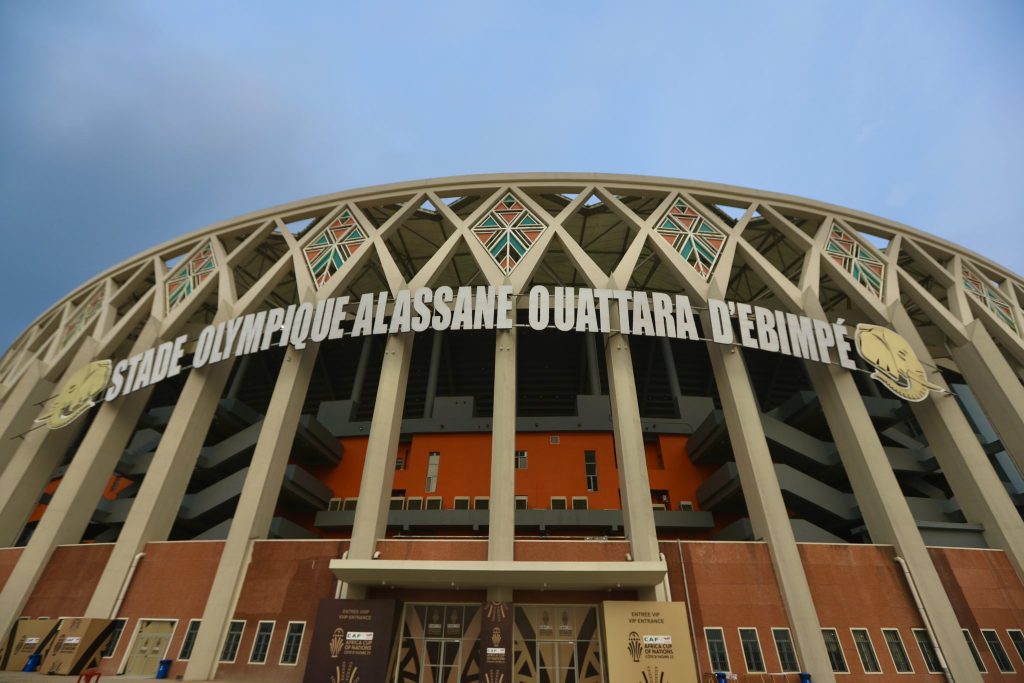
If you dropped Mr Holmes and Monsieur Poirot between Abidjan and Yamoussoukro (or Yakro) as the locals call it, with all their powers of deduction and observation, they would arrive at the same conclusion—it’s all binary. Nothing is certain and everything can happen. And this is me not forgetting the possibility of a referee ending a crucial tie first in the 85th minute and then in the 89th minute. This is the African Cup of Nations, after all.
Local vs Foreign
Historically, Africa has this weird thing for foreigners and foreign-based “things” (read as people). I mean the ancestors sold their brothers for cheap alcohol, umbrellas, and even mirrors. C’est bizzare, non? But that’s the reality, many of these players representing different nationalities were born, raised, and trained in other countries. When some of them can’t get into the national teams of the countries they were born, they look to their ancestry for a way forward. And what do these local federations do?
On the other hand, going into any tournament everyone wants to go with their best legs. So if the best legs are in Europe, why not bring them in? And for the others who play at home, on the continent? Create another tournament for them and call it the Championship of African Nations (CHAN). What better way to reward the lack of willpower for different federations to develop their local leagues?
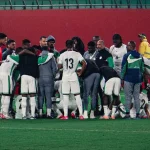
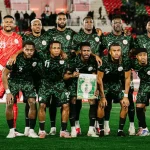
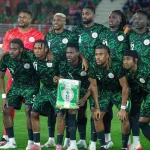
While some players would have spent their lives eking out a living on the continent, the ones who seem relatively comfortable playing outside Africa also join them in the national team squads. When these players dorn their national team kits, place their hands on their chest or by their sides, sing along or hum their national anthem, and then hit the pitch to face an opponent, they are all just players, with one goal. That is the beauty of it all.
The Level Playing Field
At the World Cup, there are always clear favourites; the same goes for the Euros, the CONCACAF Gold Cup, and the Copa América. Some have clear favourites who would always win. But it can’t be the same for the AFCON. This is not to say there are never any favourites.
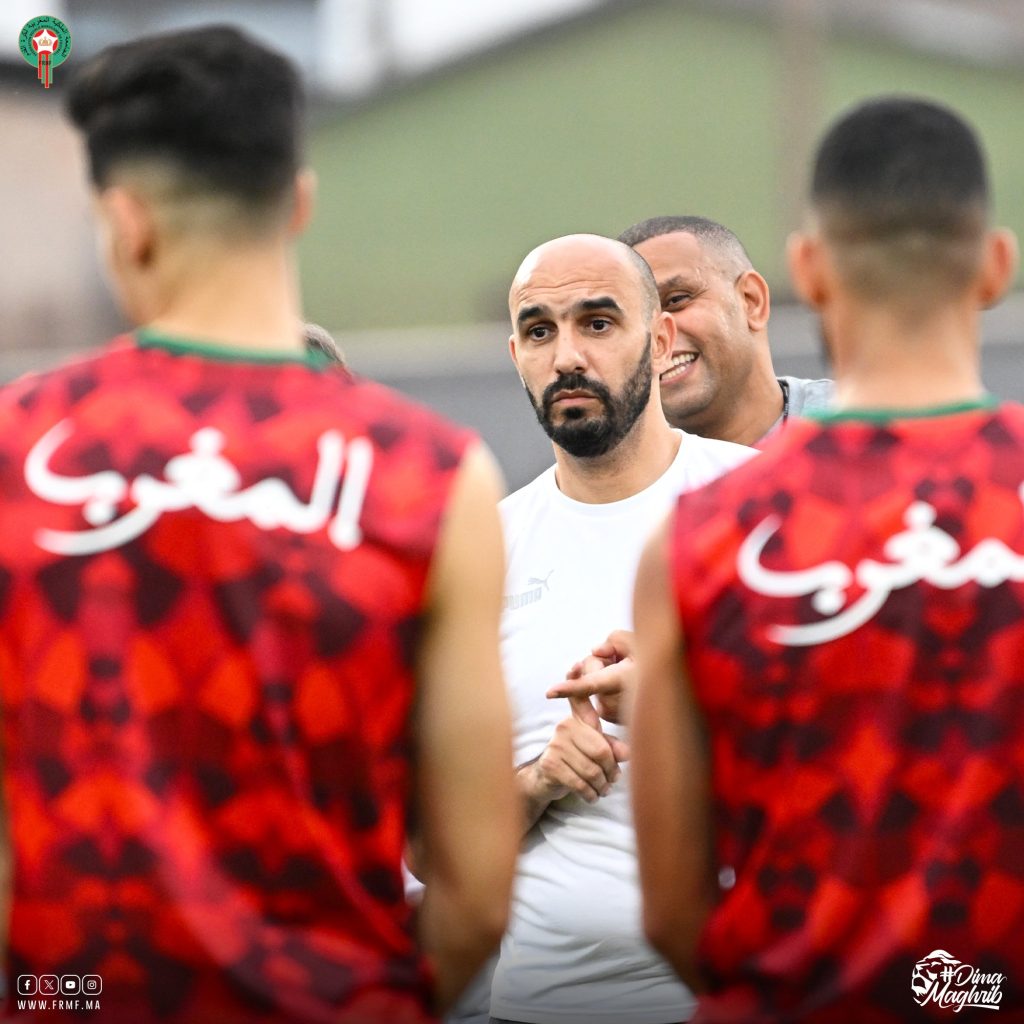
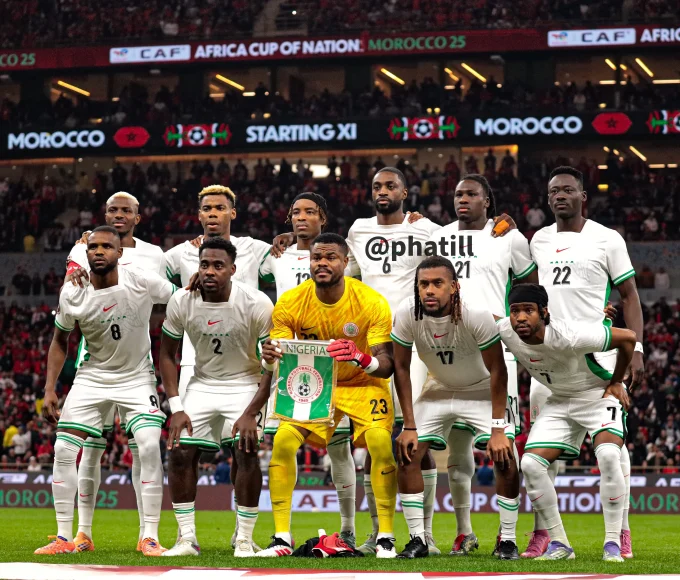
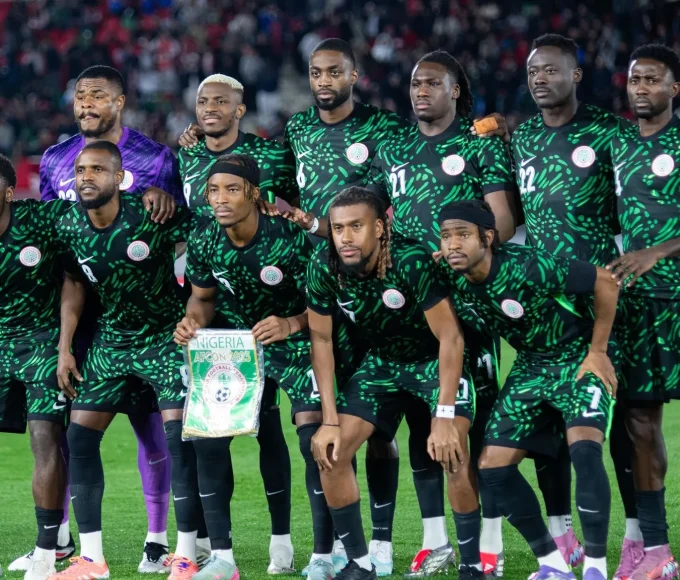
Egypt with the highest haul of AFCON trophies are always tournament favourites. Nigeria, who always boasts of having some of the best ball players in world football, are always favourites on paper. That’s why award-winning filmmaker Imoh Umoren makes it his mission to spread the gospel that “Nigerian boys invented football.” And now, there’s Morocco.
The Atlas Lions, under Walid Regragui, had a stellar outing at the 2022 FIFA World Cup in Qatar. It was such a magnificent feat that the King of Morocco honoured the players and the technical staff. No other country under the Confederation of African Football (CAF) had reached the semi-finals of this global tournament. They even defeated Cristiano Ronaldo’s Portugal to get that far. They became a global sensation, not just in Africa but in the Arab world.
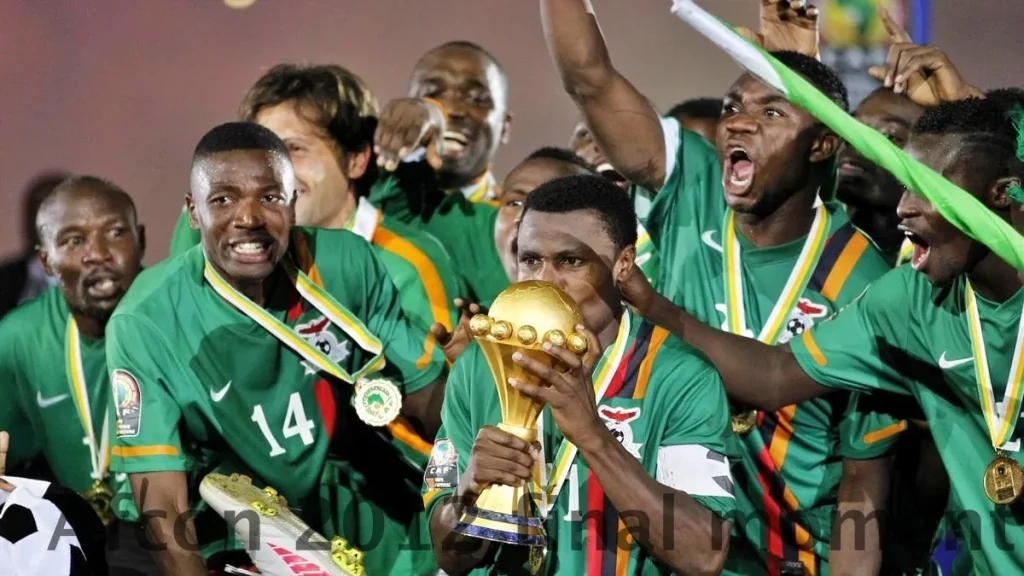
Consequently, it is only right to think the Moroccans would win the 2023 AFCON. But then again, this is Africa. Morocco’s chances were as slim as Zambia’s when the Chipolopolo won the tournament under the white shirt model, Hervé Renard, in 2012.
The AFCON is a tournament that doesn’t just test a team’s tactical skills, a different type of mental fortitude is needed to withstand the pressure that comes with showing your skills in front of your countrypeople on African soil. It is the tournament football lovers enjoy because the European style of finessed football with soft skills is almost non-existent; you always have to come correct mentally and physically.
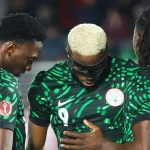
This is the tournament where stars are born and reborn. It is the one where your opponent’s frontman becomes an internet sensation because of his hairstyle rather than his obvious ability to get results on the pitch. The AFCON is the one made for Africans, where the ancestors some believe in may be lurking around the goalposts.
I could say, may the best team win, but we don’t do that here. Only fortune favours the brave one to clinch the AFCON trophy.





Leave a comment