


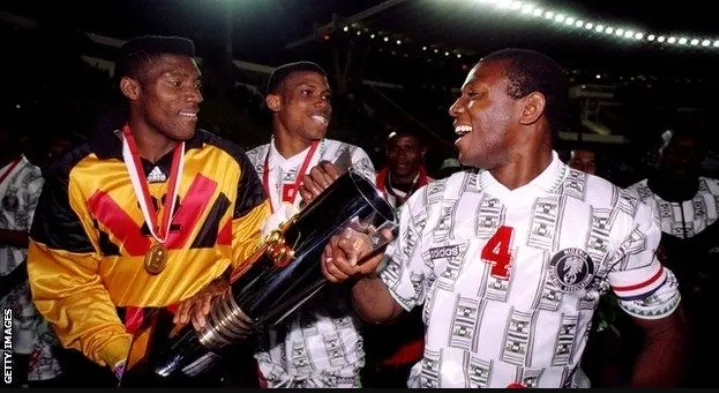
Nigeria’s relationship with the Africa Cup of Nations has often been told through goals, teams, and moments. Yet, some of the clearest symbols of AFCON success are the Super Eagles captains who stood at the front when the trophy was finally raised.
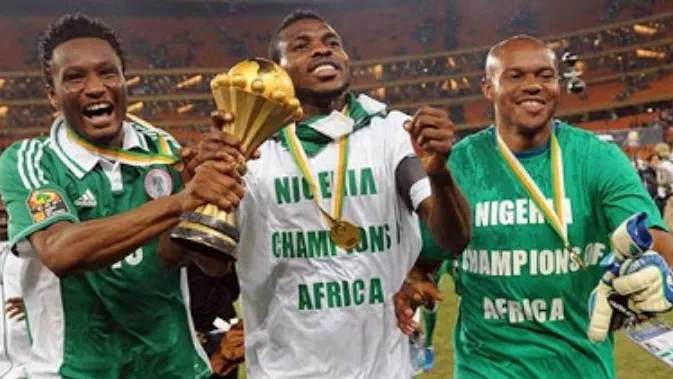
From 1980 to 2013, only three men have had that honour, each reflecting a different era of Nigerian football and a different stage in the country’s growth on the African stage.
These captains did more than lead teams. They carried expectation, pressure, and belief at times when the Super Eagles needed calm heads and strong voices most. Their stories help explain how Nigeria’s AFCON history was built.
Super Eagles captains who lifted AFCON for Nigeria
Chukwu and the birth of AFCON belief (1980)
Christian Chukwu remains a central figure in the Super Eagles’ early identity. As captain in 1980, he led Nigeria to its first AFCON title on home soil.
That victory was about more than winning a tournament. It marked Nigeria’s arrival as a true force in African football.
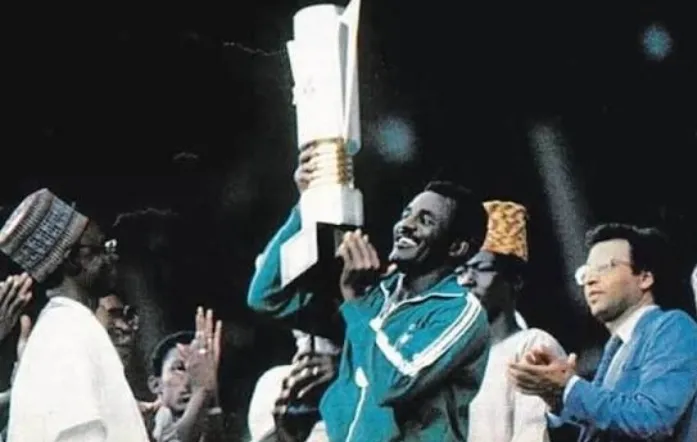
Chukwu’s role as a defender suited the moment. The Super Eagles needed structure, discipline, and leadership.
He provided all three, guiding a talented but still-maturing side through the pressure of hosting AFCON.
The triumph laid the foundation for future success and reshaped how Nigeria viewed itself within the competition.
Keshi and leadership across generations (1994)
Stephen Keshi’s AFCON story stands out because it connects two eras. As captain in 1994, he led one of the most gifted Super Eagles squads ever assembled to continental glory.
That team combined physical strength, tactical awareness, and attacking flair, and Keshi was the link that held it together.
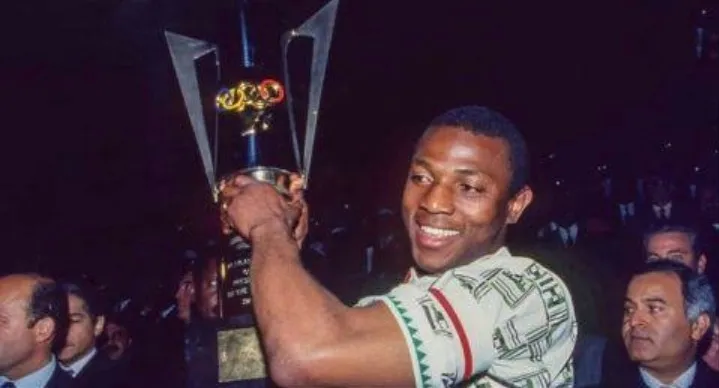
What makes his legacy even stronger is what came later. In 2013, Keshi returned to AFCON, this time as head coach, and guided Nigeria to another title.
He became the first person to win AFCON as both a player-captain and a coach for the Super Eagles.
His journey shows how leadership in Nigerian football can evolve while staying rooted in experience and trust.
Yobo and the modern Super Eagles (2013)
Joseph Yobo’s moment came in 2013, when he captained Nigeria during a tournament that demanded resilience.
The Super Eagles were not clear favourites, but they grew stronger with each match. Yobo’s calm presence at the back and his understanding of the game helped stabilise a young squad.
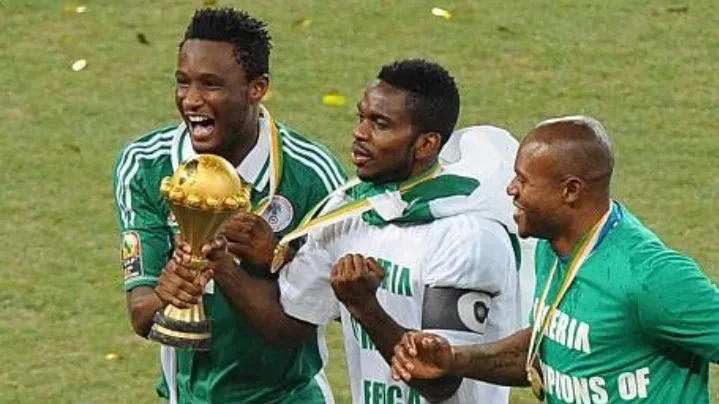
Lifting the AFCON trophy in South Africa, Yobo became the third Super Eagles captain to achieve that feat.
His leadership represented a modern Nigeria side—less flashy at times, but focused, organised, and mentally strong. The victory restored confidence after years without continental success.
AFCON 2025 and the question of the next captain
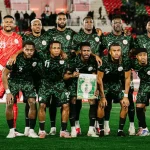
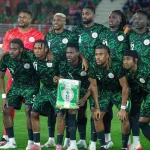
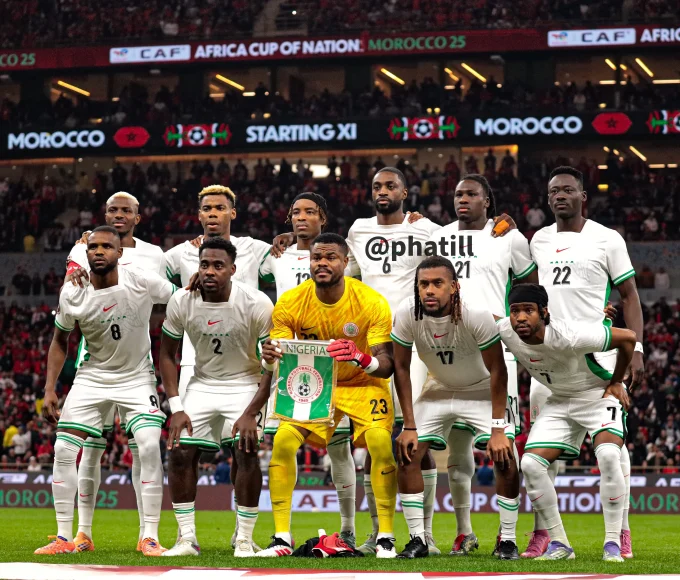
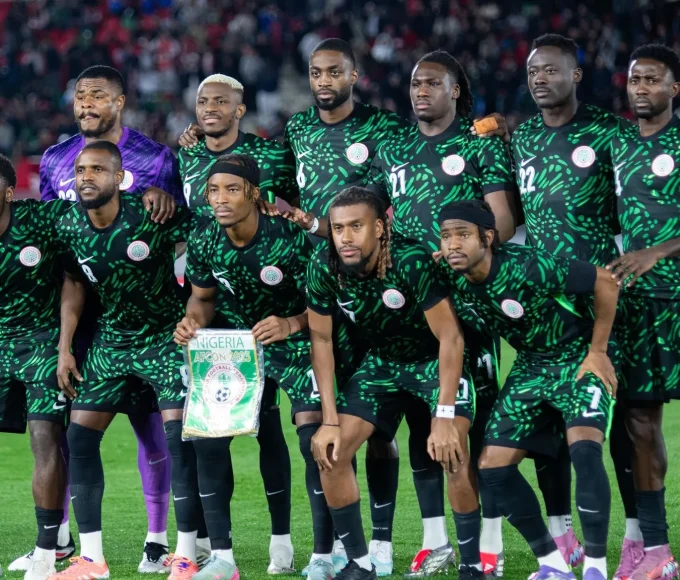
As AFCON 2025 approaches, the conversation naturally turns to the future. William Troost-Ekong came close in the last edition, but the Super Eagles fell at the final hurdle.
Now attention shifts to Wilfred Ndidi and whether he could become the fourth captain to lift the AFCON trophy for Nigeria.
Nigeria enter the tournament under pressure after missing out on qualification for the 2026 FIFA World Cup.
Their opening Group C match against Tanzania at the Fez Stadium will set the early tone.
Having reached the final of AFCON 2023, the Super Eagles remain among the heavyweights, but history shows that lifting the trophy often depends on leadership as much as talent.
Whether Ndidi or another figure steps into that role, the standard has already been set by Chukwu, Keshi, and Yobo.
AFCON glory, for Nigeria, has always followed captains who understood both the weight of the badge and the demands of the moment.




Leave a comment